Walk through any thrift store, vintage market, or online resale platform in the United States right now and the racks tell a clear story. Faded band tees, cracked promo graphics, and slightly warped collars are moving faster than most new graphic shirts. In 2026 the preference is not only nostalgia. It is a practical and cultural choice.
Quick answer: Vintage and thrifted graphic tees still beat most new prints in 2026 because real wear, cracked ink, and softened cotton look owned — not manufactured.
People are choosing shirts that already look like they have a history.
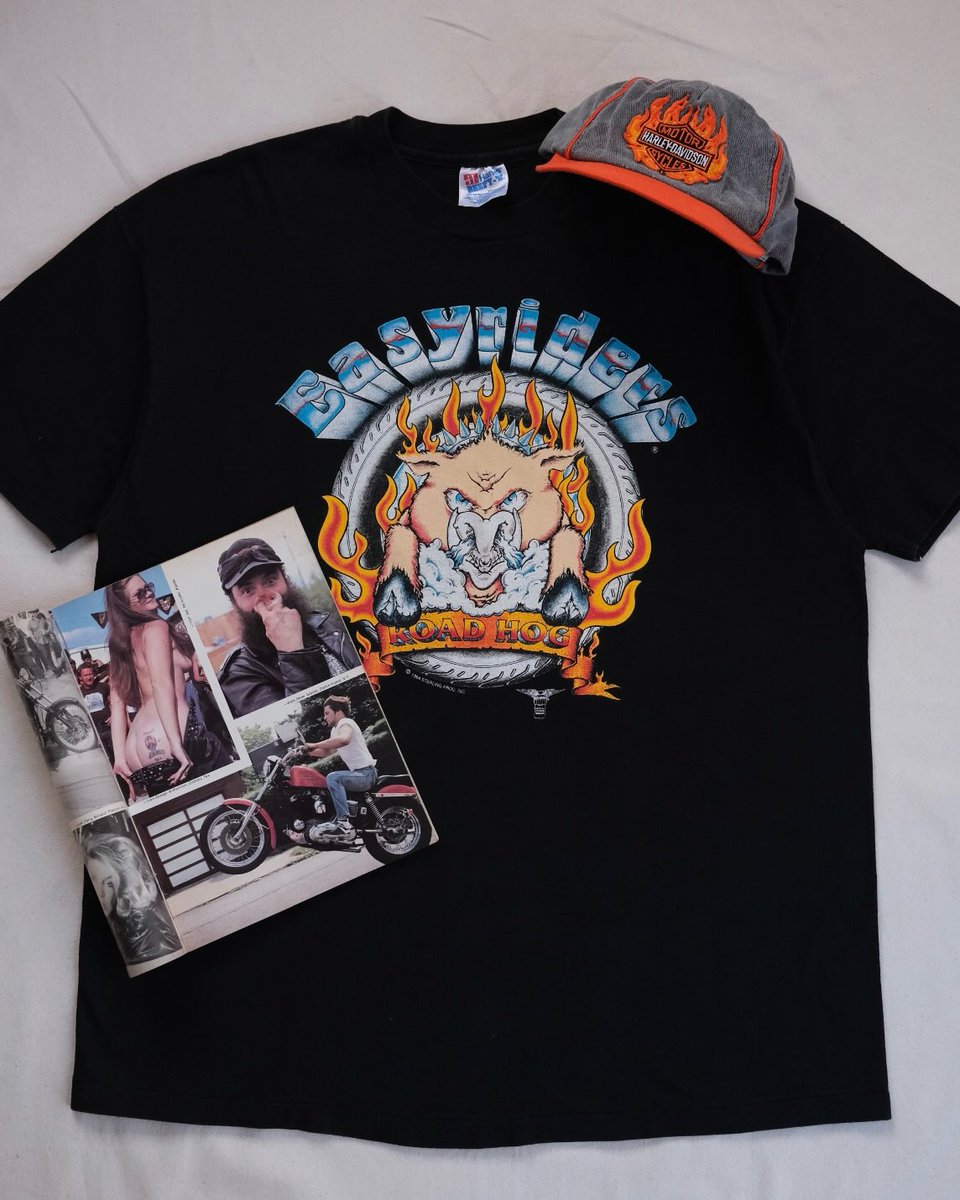
90’s EASYRIDERS “ROAD HOG” T-Shirt Size/XL — Features a flaming hog graphic, playful back print
— 周芷晴 (@KizzyMcglawn) September 26, 2026
What Makes a Vintage Tee Feel Different
The best thrifted graphics carry real wear. The print is often slightly cracked or softened. The cotton has relaxed into a natural drape. The color has shifted in a way new garment dyeing rarely matches perfectly. That lived-in quality is hard to fake convincingly, and most people can spot the difference immediately.
New shirts can look sharp. Vintage ones look owned. In a year when authenticity is one of the strongest signals in casual clothing, that difference matters.

Sorting out old stuff this weekend—found so many hidden gems (that vintage band tee and my 10-year-old Polaroid camera!)
— Venessa Relaford (@VenessaRelaford) September 29, 2026
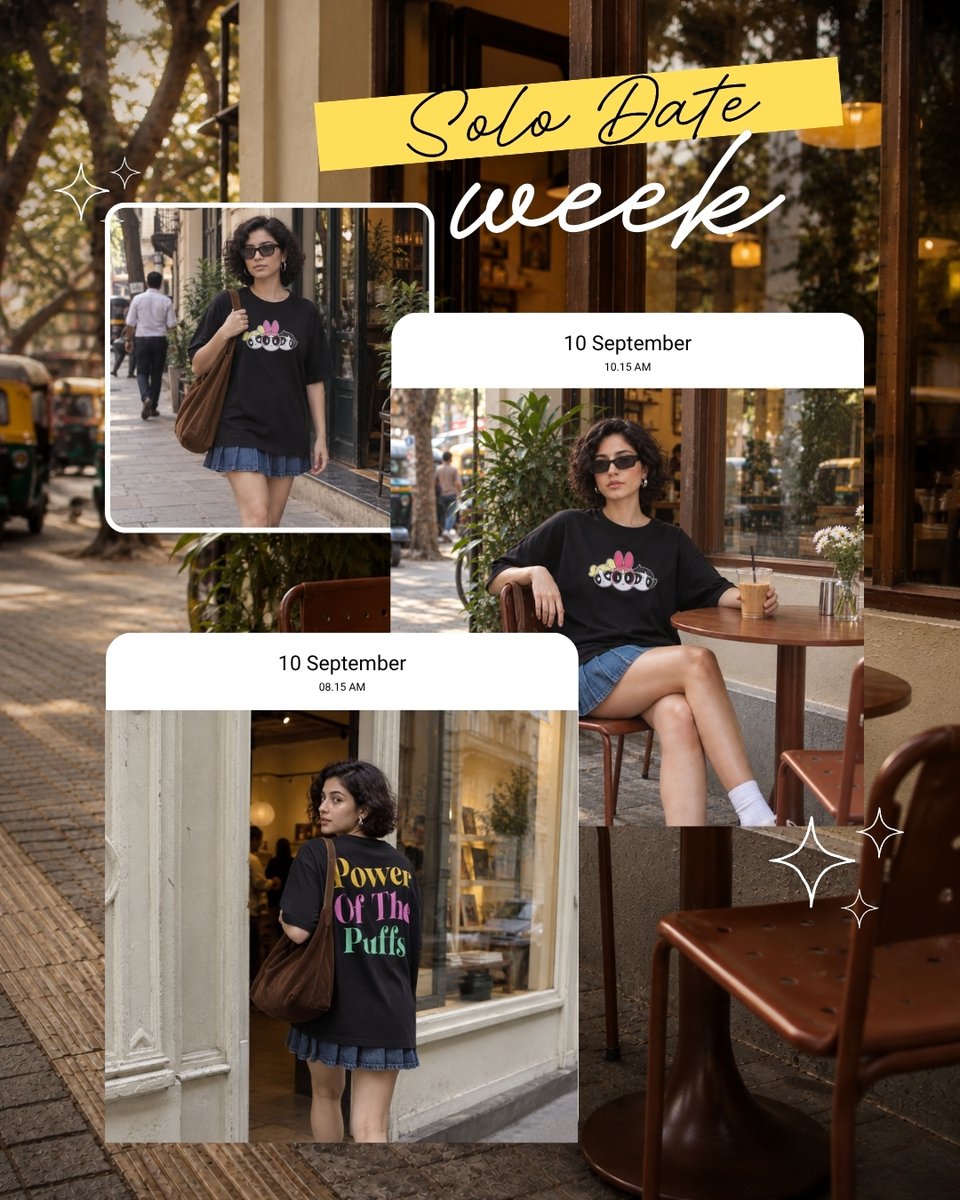
Powered by Girlhood. Tshirt from @mymultiverse_ — street style, graphic tee, oversized fit, back print
— multiverse.fashion (@mymultiverse_) September 14, 2026

her vintage band tee with frayed denim shorts and combat boots
— Kristen Stubblefield (@KristenMacie) September 29, 2026
Why New Graphics Often Feel Flat by Comparison
A brand-new print on a perfect blank can look clinical next to a shirt that has already been through years of washes. Even well-made modern reproductions struggle to match the exact texture of an original that aged naturally. That is why so many people still hunt for the real thing.
Styling stays consistent with the wider 2026 graphic-tee moment: oversized or relaxed fits, clean denim, minimal competition from other loud pieces. The vintage graphic becomes the main point of interest.
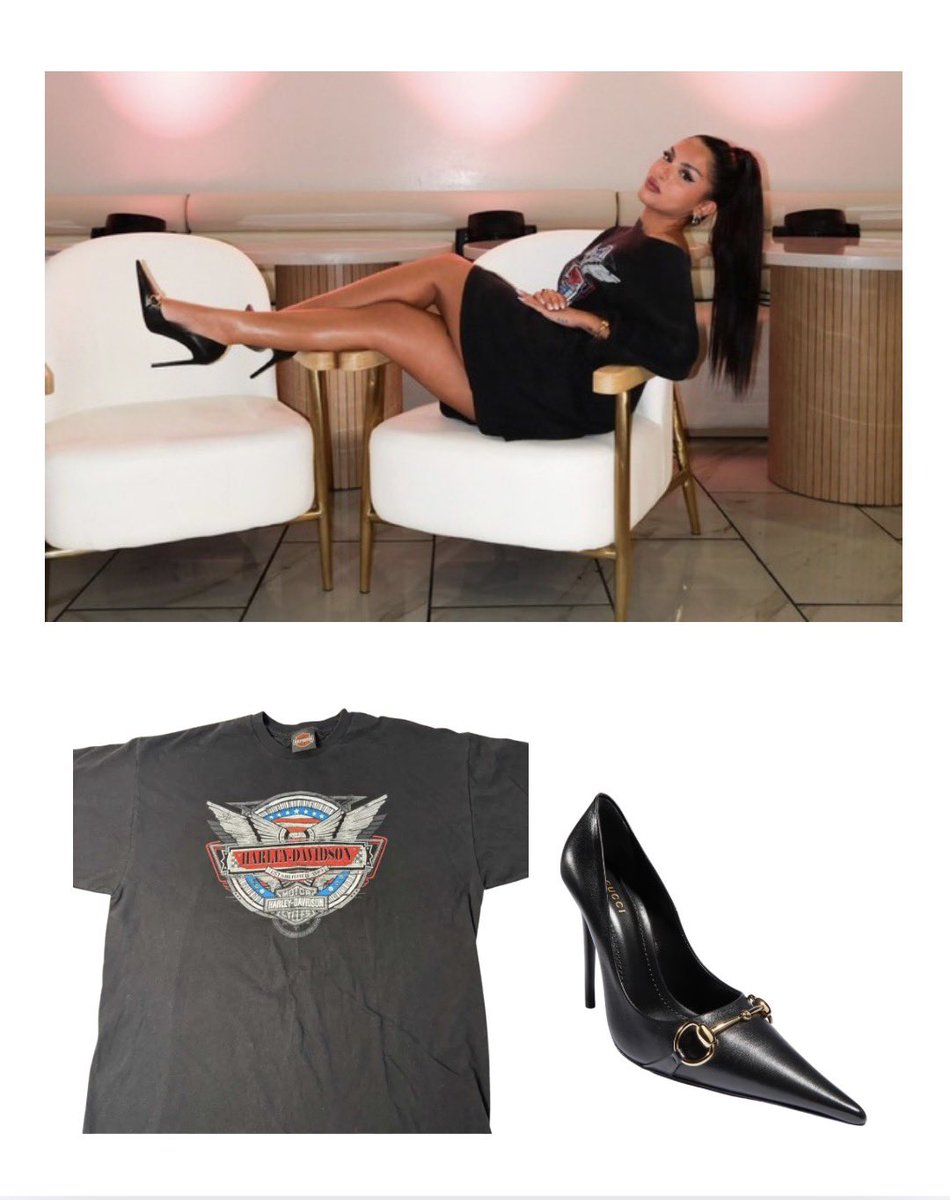
vintage Harley Davidson graphic tee
— @hudacloset Twitter

Vintage Cowboy Bebop graphic t-shirt
— @XOCAPSULE Twitter
Why Real Wear Still Beats Factory Distressing
Factories can sand collars and crack prints on purpose. What they struggle to copy is uneven, honest aging: the exact fade where a bag strap sat, the soft collapse of cotton that has been washed for years, the print that thinned only where elbows and movement demanded it. American buyers who have handled both vintage and distressed-new tees can usually tell the difference within seconds.
That is why thrifted and true vintage graphics keep commanding attention even as new graphic tees improve. The newer shirts can be better constructed. The older ones still carry proof of life. In a fashion year obsessed with authenticity signals, proof of life is a powerful product feature.
How to Shop Vintage Graphic Tees Without Getting Burned
Check the tag and the seams first. Older blanks and construction details often reveal era more honestly than the graphic alone. Then inspect the print. Even cracking is normal. Peeling plastic-like layers can signal a weak reprint. Smell and stain checks matter too. A great design is not worth a shirt you will not wear against your skin.
Price depends on band, rarity, size, and condition. Common graphics in average shape can still be affordable. Rare tour designs in strong sizes climb quickly. If a deal seems impossible, look harder at the print edges and blank quality. The resale market is full of modern reproductions standing next to the real thing.
Once you own a good vintage tee, style it the modern way: oversized or naturally boxy, clean denim, minimal competition. The shirt already has history. It does not need a costume built around it. Treat it like the best graphic tee in your rotation, because that is what it is.
The Economics of Vintage Graphic Tees in 2026
Resale prices for certain nineties and early-2000s graphics have climbed because supply is finite and demand is cultural, not only nostalgic. Younger buyers want the look of history. Older buyers want replacements for shirts they lost. Collectors want rarity. Those three groups compete for the same racks and the same online listings.
That competition can make thrifting feel harder in major U.S. cities. It can also push people toward better education: learning tags, print types, and fair pricing. Knowledge is now part of the price of entry. The shoppers who do the homework still find value. The shoppers who buy based only on a band name overpay for reprints and damaged stock.
New brands are responding with better reproductions and “vintage-inspired” washes. Some are honest about being new. Some are not. Your advantage is tactile: real age feels different. If you cannot inspect in person, buy from sellers with clear photos of tags, hems, armpits, and print close-ups. In vintage, information is part of the product.
Wearing the shirt completes the logic. A vintage graphic locked in a storage bin is a speculative object. A vintage graphic styled with modern denim is fashion. In 2026 the second use is the one driving the cultural conversation, even when auction headlines focus on the first.
Styling Vintage Tees for 2026 Without Looking Costumey
The modern formula is contrast. Pair a soft, aged graphic with clean, current bottoms. Avoid piling vintage on vintage on vintage unless you are doing that look with intention and control. One historical object is often stronger than a full outfit of references.
Tailoring the fit helps. Some older tees are boxy in a useful way. Others are narrow or short by today’s standards. A subtle reshape by a tailor, or simply choosing larger sizes and wearing them relaxed, can update the silhouette without destroying the print. Do not cut a rare graphic casually. Once the cotton is altered, the collector value and the original proportions change forever.
Shoes and jackets from the present keep the outfit in 2026. That is the difference between homage and cosplay. Vintage should sharpen a modern wardrobe, not transport the whole look into a theme party.
Care Tips That Protect Vintage Graphics
Wash less often than new blanks. Spot clean when you can. Use cold water, gentle cycles, and mild detergent. Turn the shirt inside out to reduce print abrasion. Air dry when possible. High heat is the enemy of both ink and old cotton.
Store folded rather than on sharp hangers if the shoulders are already stressed. Keep rare pieces out of direct sunlight for long periods. Wear them, but do not treat them as gym shirts or paint clothes unless you accept permanent loss.
These habits sound careful because they are. Vintage value and vintage pleasure both depend on not destroying the thing that made the shirt special. A little restraint in the laundry room buys years of better wear.
Why Vintage Still Sets the Standard
Even when new graphic tees improve, vintage remains the reference point for authenticity of hand-feel and image aging. That reference keeps pressure on modern makers to do better. It also keeps thrifting culturally relevant far beyond pure bargain hunting.
In 2026, the winning move is not arguing vintage versus new. It is using vintage to teach your eye what quality looks like, then applying that eye everywhere else you shop.
Key Takeaways for Vintage Graphic Tee Shoppers
Searches for vintage band tee, thrifted graphic t-shirt, and 90s graphic tee stay hot because real wear still beats most new prints. Check tags, print crack, and cotton hand-feel. A good vintage graphic tee outfit needs almost nothing else — clean denim and simple shoes.
Watch: Vintage Band Tee Collections
Collectors and thrifters keep proving the same point: real wear, original prints, and the right blank still outperform most new graphics. These videos show what that inventory looks like in practice.
Further Reading
- How nineties band T-shirts became the decade’s hottest collectible — Globe and Mail
- Graphic T High Fashion Comeback — WWD
Related on Vervado: Licensed character quality problem · Back-print tees
FAQ
Are all vintage tees expensive now?
No. Common graphics and average condition pieces remain affordable. High prices apply mainly to rare bands, limited runs, and excellent condition examples.
Is a distressed new tee a good substitute?
It can work for the look, but most people can still tell the difference. Natural aging produces a softer, more irregular result than factory distressing.
Where are people finding good ones?
Specialized vintage shops, larger thrift markets, online resale platforms, and local thrift stores that have not been fully picked over by resellers.