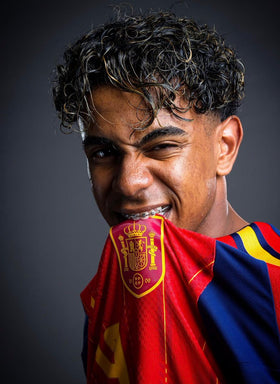
The most interesting personalized t-shirts Americans are buying in 2026 often did not exist until someone typed a few words, uploaded a photo, or chose a specific name or inside joke. AI-assisted graphics made the design step fast enough for everyday print-on-demand commerce.
Search demand around “custom photo t-shirt,” “AI t-shirt design,” and “personalized graphic tee” keeps rising — but quality still separates the winners from the marketplace noise.
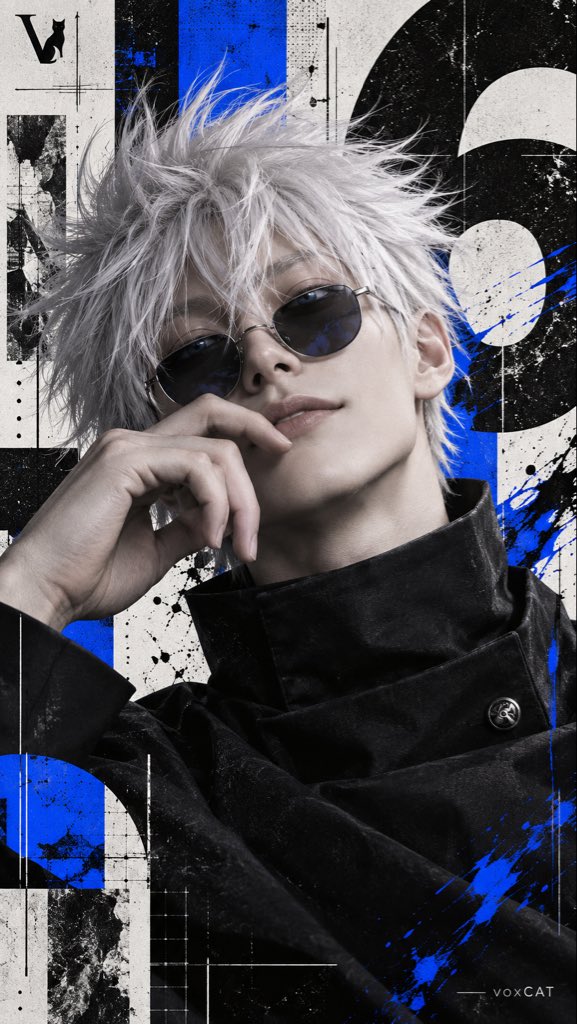
Photo: AI-assisted graphic systems — via @VoxcatAI
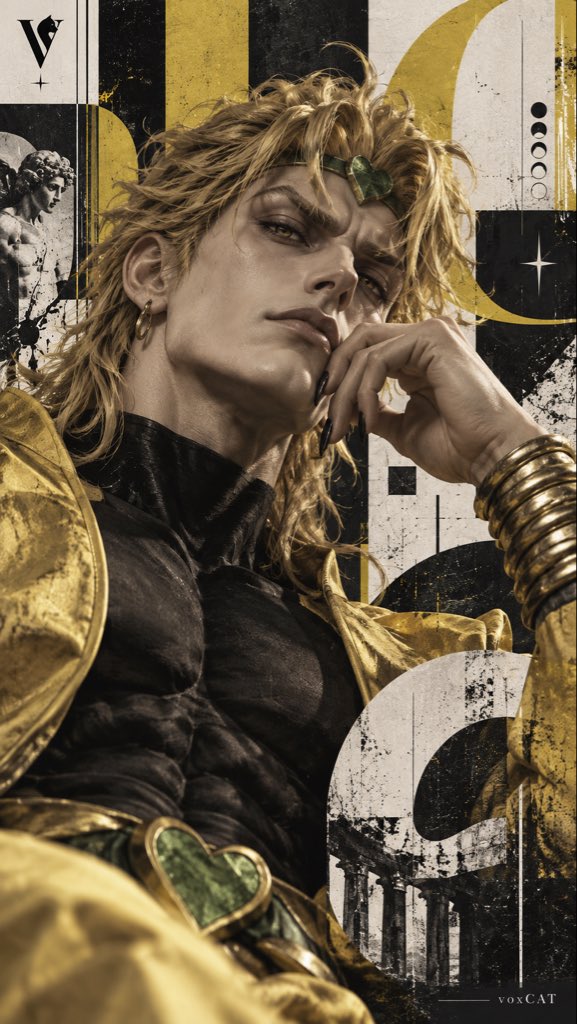
Photo: AI graphic variation — via @VoxcatAI
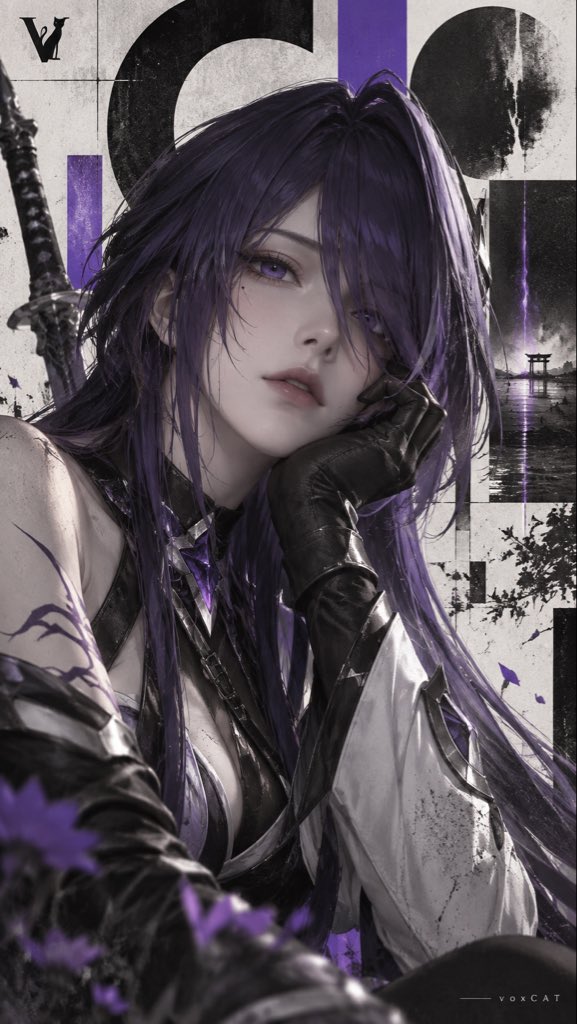
Photo: AI editorial graphic style — via @VoxcatAI
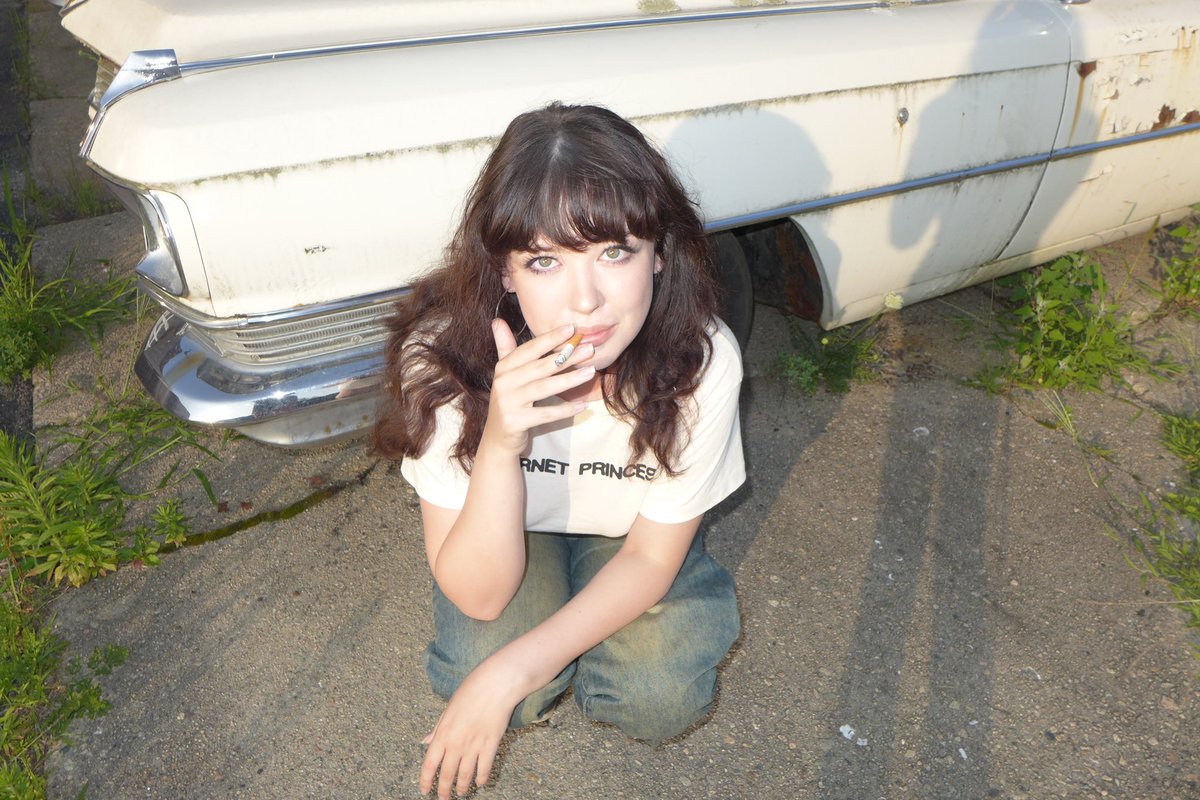
Photo: Custom printed organic blanks — via @raynefq
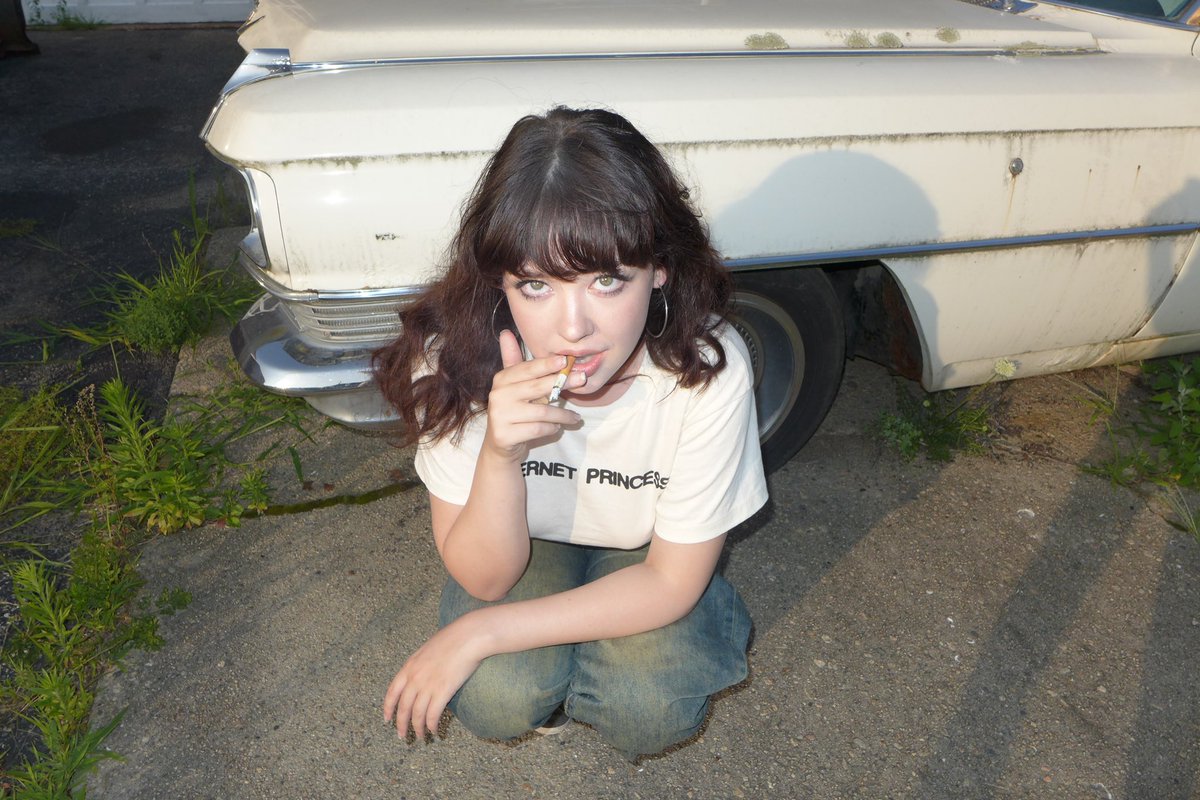
Photo: Custom blank personalization process — via @raynefq
What Personalization Means on T-Shirts in 2026
Photo-to-art transformations. Role and identity formulas. Event and location designs. Micro-niche jokes. Custom text paired with AI-supported illustration. Buyers want something that feels made for them — or for the person they are gifting.
How AI Changed Custom Tee Economics
Tools matured past the worst “obviously AI” phase in many categories. Marketplaces also filled with unedited generic art. Shirts that still convert use AI inside a controlled process: buyer photo, clear prompt structure, human selection, clean print on a heavyweight blank.
What Personalized Tee Designs Convert Best
- Photo-based designs tied to a real person or pet
- Event tees for weddings, reunions, and team trips
- Hyper-specific local or fandom jokes
- Clean typography with one strong supporting illustration
Generic aesthetic AI landscapes without a personal hook are the first to be ignored.
Social Proof: Custom Print Culture
Practical Tips for Buying Personalized Tees in 2026
Start with the blank. A sharp design on thin fabric still feels cheap. Next, check whether the design is truly personal — a real photo, a specific date, a local joke — or just generic AI wallpaper. Finally, read the print method notes. DTG, screen print, and specialty transfers each age differently after washing.
Gift buyers should order early. Personalized production is rarely same-day, and the best designs often need a revision cycle before the final print.
What Separates Good Personalized Tees From Marketplace Noise
AI made custom graphics faster. It did not make every design worth buying. The shirts that convert in 2026 still follow old rules: personal relevance, clean composition, and a blank that feels substantial in the hand.
Photo-based designs tied to a real person or pet outperform generic landscape art. Event tees for reunions, teams, and trips outperform vague motivational slogans. Local jokes and fandom micro-references outperform aesthetic prompts with no story attached.
Buyers should also check production method. DTG, screen print, and specialty transfers each wash differently. A beautiful mockup on a thin blank will disappoint. A strong design on a heavyweight blank is the combination that earns second orders.
Who Is Actually Buying Personalized Tees
Gift shoppers, small teams, creators building merch for micro-audiences, and people who want one shirt that does not exist anywhere else. That mix is why personalization keeps growing even when fashion media focuses on celebrity graphics and vintage finds.
A Simple Process for Ordering Custom Tees Without Regret
Start with the blank and print method, not the prompt. Confirm sizing charts. Order a sample when the quantity matters. Review a digital proof on both desktop and phone, because customers will see the design both ways. Only then lock the personalization details.
Rushing the design step is how people end up with clever ideas on disappointing fabric. Slowing down for one sample order usually costs less than reprinting a full batch.
Frequently Asked Questions
Is AI art allowed on major print-on-demand platforms?
Most major platforms allow AI-assisted designs, but terms change. Check current disclosure and commercial-rights rules before publishing a large catalog.
What personalized t-shirt types sell best in 2026?
Photo-based transformations, clear role or identity formulas, and event or location-specific designs outperform generic decorative AI art.
Do customers care if a t-shirt design is AI-assisted?
Some do. Many care more about whether the shirt feels personal and well-made. Transparency and quality still beat novelty.
What blank should I use for custom AI graphics?
Heavyweight cotton (roughly 220 GSM+) so the print and fabric both feel intentional.
Related Reading
Author: Shivam Das