Graphic tees are having a genuine moment again. The cuts are better. The cotton is heavier. The artwork feels more considered. Then you walk into a big-box store or scroll a mass-retail site and run into a Godzilla shirt that looks like it was designed in 2014 and printed on the thinnest blank available.
Quick answer: Most mass-licensed Godzilla and character tees still lag 2026 streetwear standards. Judge cotton weight and print quality before the official logo.
That gap is the licensed character tee problem. And in 2026 it is getting harder to ignore.
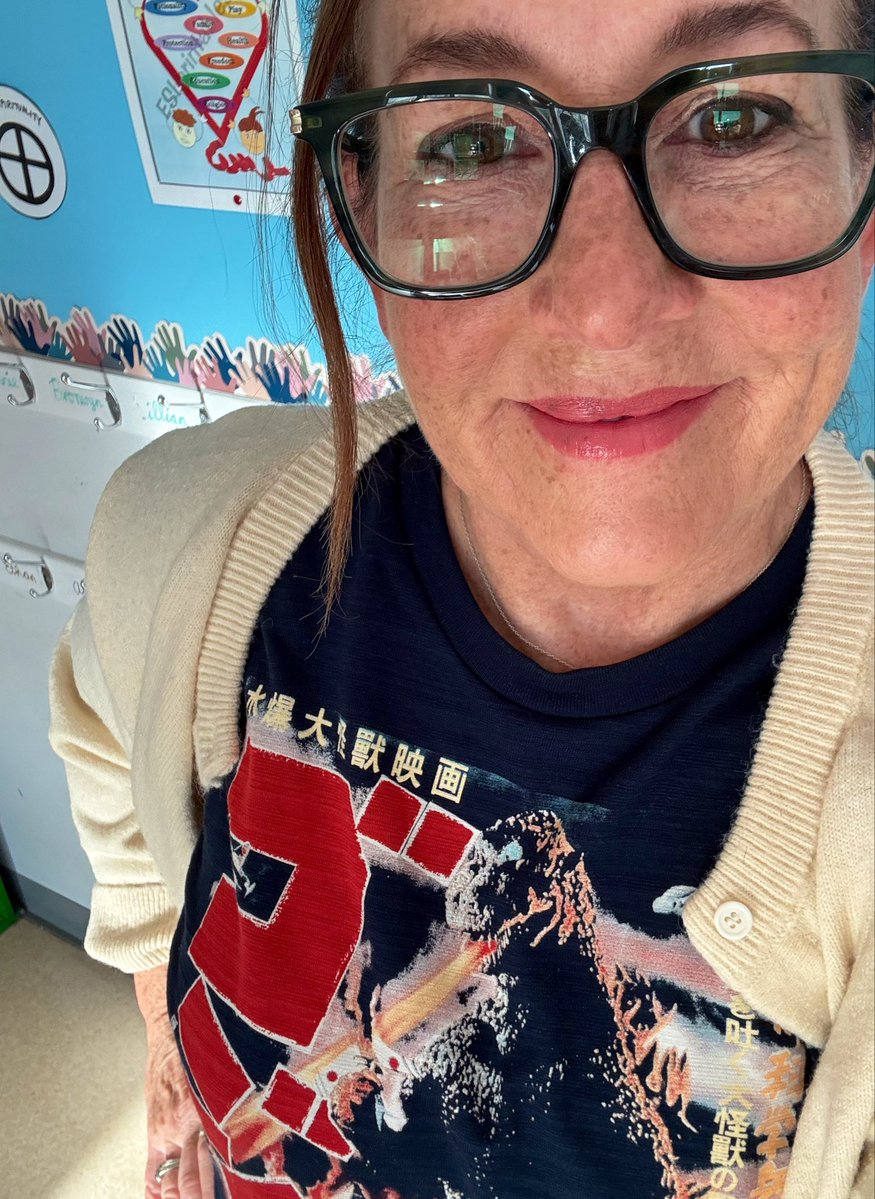
Delighted with my Godzilla tshirt gifted me all the way from Japan ❤️
— d Mandeville (@mandevillish) September 28, 2026
What the Current Graphic Tee Trend Actually Wants
The strongest tees this year share a few clear traits. They sit on heavyweight or midweight cotton. The fit is boxy or intentionally oversized. The print is usually screen-based or high-quality DTF that holds up. And the artwork feels specific — vintage-accurate, artist-driven, or deliberately limited rather than generic franchise wallpaper.
People are treating these shirts as real wardrobe pieces, not disposable souvenirs. That shift is why meme tees, back prints, tourist graphics, and independent artist designs are landing so cleanly right now.
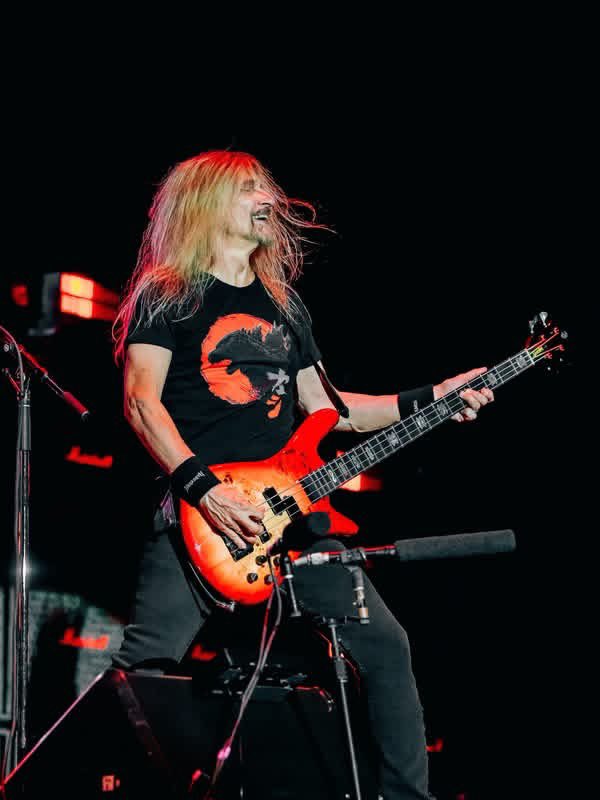
lol I knew it wasn’t but I kept thinking James LoMenzo was wearing a Thundercats shirt on Friday night. Turns out it was a Godzilla shirt. Which is also pretty cool.
— Will (@spudhawg) September 28, 2026
Where Mass-Licensed Character Tees Fall Short
Most big-IP shirts — Godzilla being a perfect example — still live in the opposite category. They are sold through generalist retail channels alongside dozens of unrelated franchises. The blanks are often lighter. The prints are optimized for volume rather than longevity. The artwork tends to be safe, loud, and interchangeable with any other monster or superhero graphic.
The license itself is not the issue. The problem is that the default execution sits at odds with the taste that is currently driving the category. A shirt can be officially licensed and still feel like the wrong object for 2026 street style.
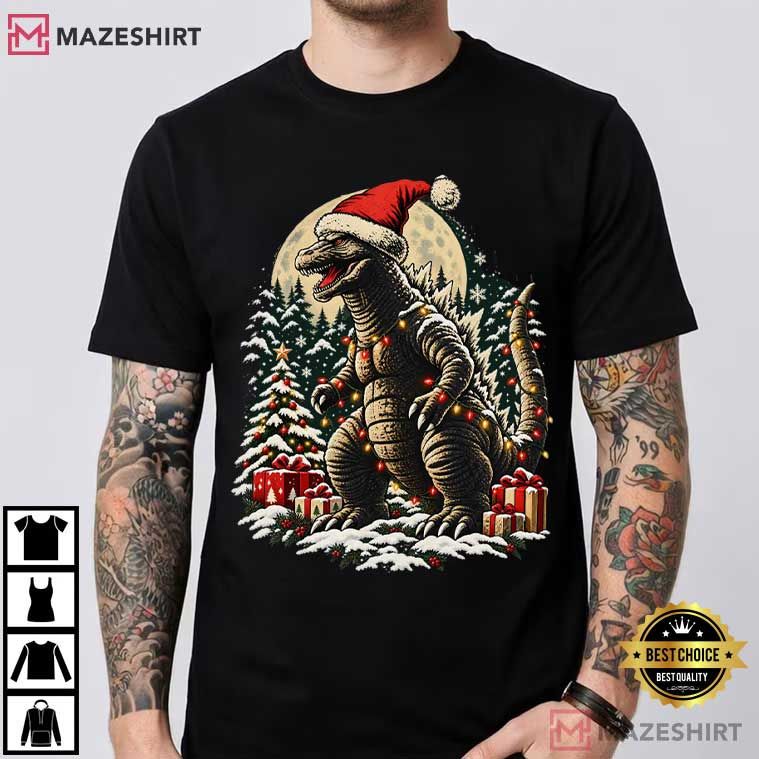
Godzilla Vintage Kaiju Christmas Holiday Vintage T-Shirt
— mazeshirt (@mydarkroom69) September 29, 2026
The Difference Shows in the Details
Look at the better Godzilla or kaiju-related pieces that do work. They usually come from smaller licensed partners or artist collaborations that treat the character as material for design rather than a logo to stamp. Heavier cotton. More deliberate composition. Sometimes a back print or a quieter front. The difference is immediately visible next to a standard mass-retail version.
Fit and print quality matter more than the name on the hangtag. A well-made shirt with strong artwork will outlast a cheap licensed one regardless of how official the latter claims to be.
Why This Matters Beyond One Franchise
Godzilla is simply the clearest current example. The same pattern appears across video-game merch, movie tie-ins, and other big character licenses. The market is flooded with options, yet the ones that actually feel current are the ones that respect the same standards as independent graphic tees: better blanks, better prints, and artwork that does not look like it was rushed through a licensing checklist.
Fans who care about both the character and their clothes are increasingly skipping the obvious licensed options and looking for the versions that treat the IP with the same care as a limited streetwear drop.
What to Look For Instead
When shopping character tees in 2026, the useful questions are practical. What is the fabric weight? How is the print applied? Does the design feel considered or generic? Is the cut modern enough to sit with the rest of a current wardrobe?
The license is secondary. A heavyweight, well-printed shirt with strong artwork will always outwear a thin, loud, officially stamped one. The current graphic tee revival has raised the bar. Mass-licensed character merch is still catching up.
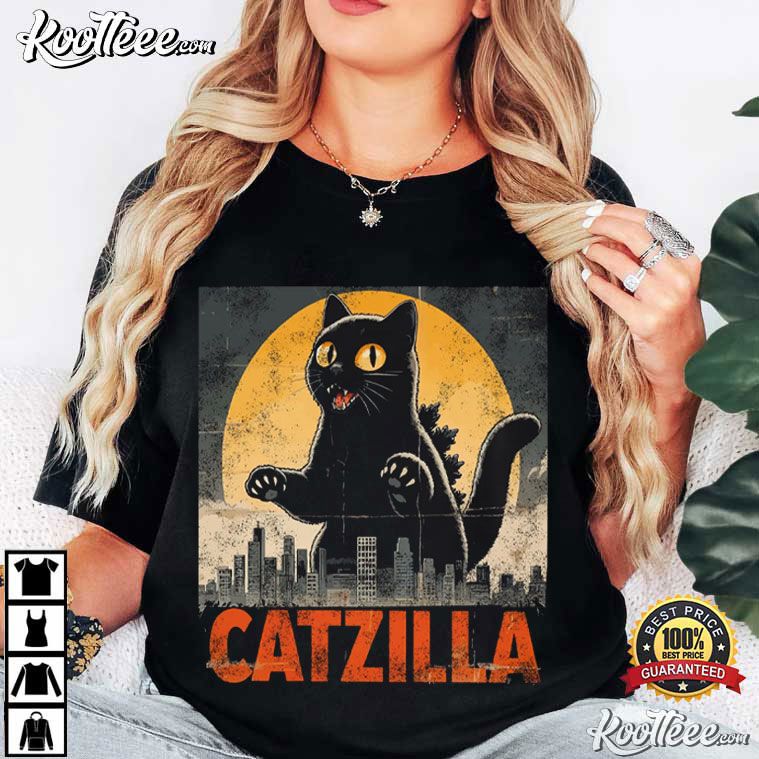
Catzilla Giant Cat Kaiju Funny Retro Monster T-Shirt
— koolteee clothing (@jhays1192987) September 29, 2026

Vintage Cowboy Bebop graphic t-shirt
— @XOCAPSULE Twitter
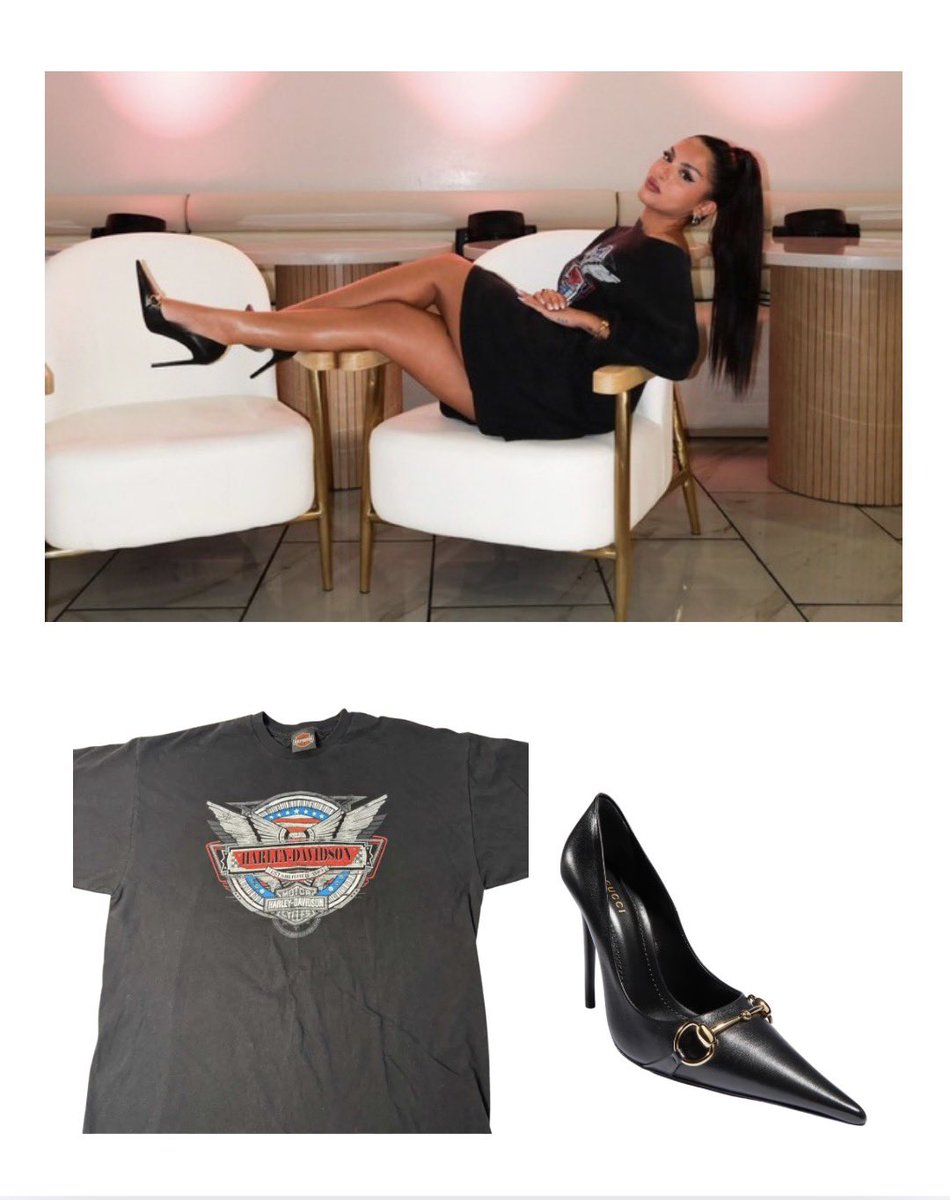
vintage Harley Davidson graphic tee
— @hudacloset Twitter
How Licensed Merch Fell Behind Streetwear Standards
Streetwear raised the floor on blanks, print quality, and silhouette. Many licensing pipelines did not fully follow. They optimized for volume, broad retail distribution, and safe artwork that would not scare a mall customer. The result is a wall of officially approved shirts that feel interchangeable and fragile next to independent graphics on heavyweight cotton.
Fans notice. People who love Godzilla, anime, games, or film properties are often the same people scrolling streetwear references. When the official tee feels worse than an unofficial or specialty collaboration, loyalty alone is not enough. Quality becomes the deciding vote.
A Practical Checklist Before You Buy a Character Tee
Hold the fabric to the light. If it is near-transparent, walk away. Rub the print edge gently; weak transfers lift early. Check the fit against a tee you already trust. Then look at the artwork. Is it designed for a shirt, or is it a movie poster shrunk onto cotton? The first category belongs in a wardrobe. The second category belongs on a wall.
Specialty licensed partners and artist collaborations sometimes clear this checklist. Mass-retail dumps often do not. The license is not the enemy. Low standards are. In 2026 there is no reason to accept a bad shirt just because the character is right.
Character Fandom Deserves Better Product
Fans invest time, money, and identity in the stories they love. A bad official tee treats that investment casually. A good one respects it with durable cotton, thoughtful art direction, and a silhouette people want to wear outside convention weekends.
The pressure is rising because unofficial and specialty markets now provide clear comparisons. When a small shop produces a better-feeling Godzilla or kaiju shirt than a mass licensee, the old distribution advantage matters less. Attention follows quality more quickly than it used to.
For buyers, the action is simple. Reward the products that meet modern standards. Ignore the ones that rely only on name recognition. For rights holders, the action is harder but obvious: update the product pipeline or watch cultural relevance drift toward whoever makes the better shirt.
Examples of What “Better” Looks Like
Better character tees usually share a few traits. The art is composed for fabric, not copied from a single movie still. The cotton has weight. The print is saturated enough to read from a short distance but not so thick that it cracks into plastic shards. The fit matches current oversized or relaxed preferences rather than outdated slim novelty cuts.
You can find those traits in some official collaborations and in many specialty shops. You can also miss them entirely on big-box racks that still treat fandom as a race to the lowest unit cost. The presence of a holographic sticker or official tag does not override what your hands and eyes report.
If you already own weak licensed tees, you do not need to purge them in one night. Just stop adding more of the same. Replace with better pieces over time. Fandom is long. Your shirts should be able to keep up.
Key Takeaways for Licensed Character Tee Buyers
If you are comparing a Godzilla t-shirt, kaiju graphic tee, or other licensed character shirts, judge fabric weight and print quality before the official logo. The best character graphic tees in 2026 feel closer to streetwear than to thin mall merch.
Watch: Why Vintage and Quality Graphics Matter
The gap between thin mass-licensed character tees and well-made graphics is easiest to see next to real vintage and collector pieces. Construction and print quality decide whether a shirt lasts in rotation.
Further Reading
- Graphic T-Shirt High Fashion Comeback — WWD
- How nineties band T-shirts became collectible — Globe and Mail
Related on Vervado: AI surreal graphics · Vintage graphic tees
FAQ
Are all official licensed tees low quality?
No. Some licensed partners and specialty stores produce excellent pieces. The problem is concentrated in mass-retail, high-volume versions that prioritize quantity over construction and design.
Why does Godzilla keep coming up in this conversation?
Because the character is highly visible, widely licensed, and currently sitting at the intersection of fan culture and fashion. It makes the quality gap easy to see.
What should I prioritize when buying a character tee?
Fabric weight, print durability, and whether the artwork feels intentional. Those three factors matter more than the official logo in most cases.
Is the trend moving away from licensed merch entirely?
Not entirely. It is moving toward higher standards. The licenses that adapt to heavyweight blanks and better design will continue to work. The ones that stay stuck in thin, generic retail product will feel more outdated.