
Protein banana bread sounds like a simple swap: add protein powder, bake, and call the classic loaf healthier. In practice, it is a little more complicated—and that is exactly why so many high-protein banana breads end up dry, rubbery, or strangely dense.
The better approach is to treat protein as part of the baking formula, not as an ingredient that can simply replace flour. This guide explains how to build a moist, flavorful high-protein banana bread, how much protein a slice can realistically provide, which ingredients actually improve the crumb, when protein powder is unnecessary, and how to adapt the loaf for meal prep, gluten-free, dairy-free, and lower-sugar diets.
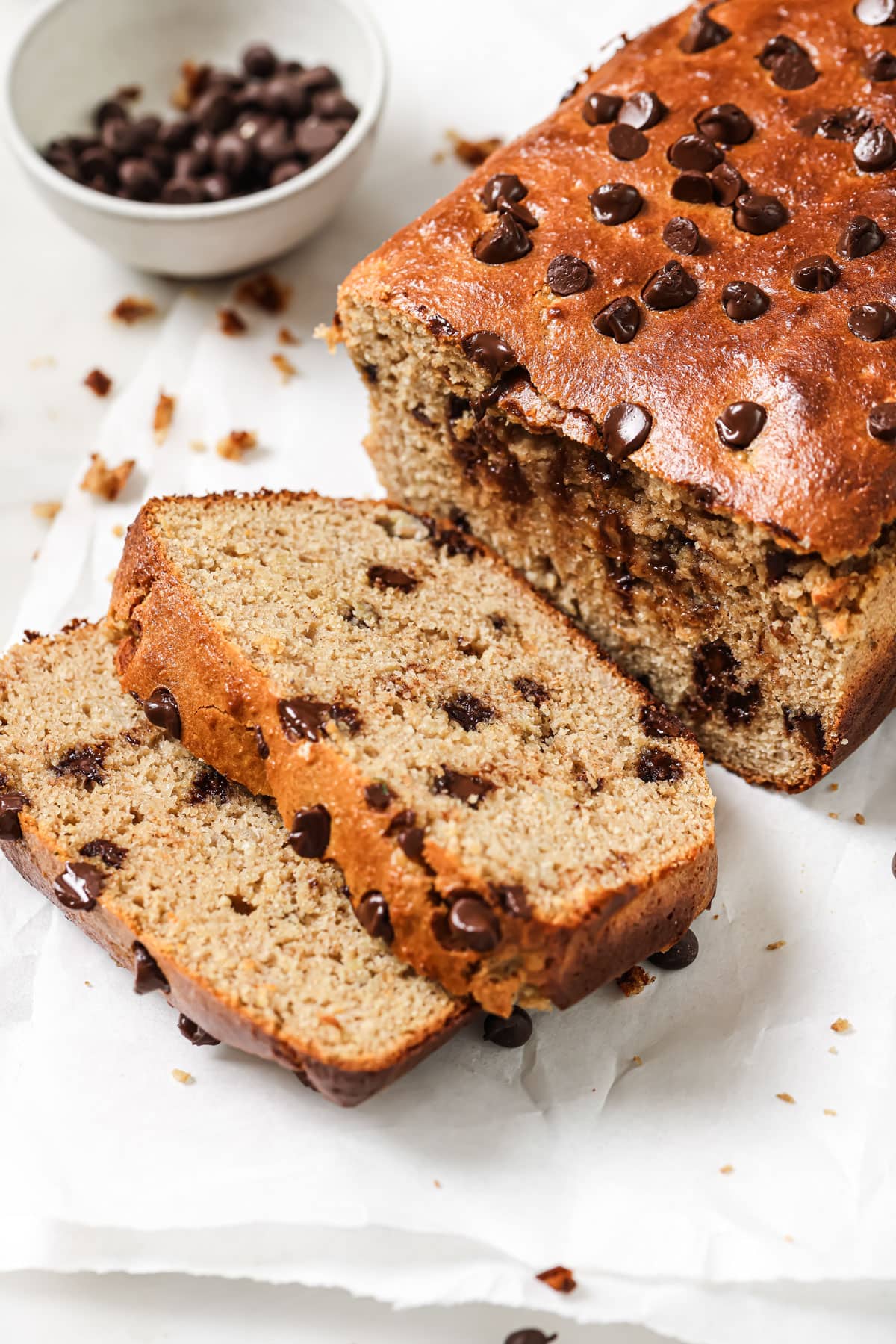
Quick Answer: What Is Protein Banana Bread?
Protein banana bread is a banana bread recipe formulated to provide more protein per serving than conventional banana bread. The extra protein can come from whey or plant protein powder, Greek yogurt, cottage cheese, eggs, seeds, or a combination of these ingredients.
The important distinction is that high-protein banana bread is not automatically healthier, lower-calorie, or better for weight loss. The nutritional advantage depends on the complete recipe. A loaf loaded with protein powder, nut butter, chocolate, and sweeteners can still be energy-dense.
For most home bakers, the sweet spot is a loaf that provides roughly 9 to 15 grams of protein per slice while retaining enough banana, moisture, and starch to produce a soft crumb. Current recipes online commonly land in that range, although some deliberately push much higher.
Why Protein Banana Bread Is Having a Moment
There is something revealing about the popularity of protein banana bread: people are not necessarily looking for another “diet food.” They are trying to make familiar food fit modern eating habits.
Banana bread already has several things working in its favor. It is inexpensive, forgiving, easy to portion, naturally sweet when made with very ripe bananas, and ideal for freezing. Adding protein turns that familiar loaf into a practical breakfast or snack for people who want more protein without preparing another meal.
Recent recipes show how broad the category has become. Some use whey protein and oat flour. Others rely entirely on cottage cheese, eggs, and seeds and skip protein powder altogether. Greek yogurt versions have also become popular because yogurt contributes moisture while increasing protein.
That leads to a useful conclusion: there is no single “correct” protein banana bread. The best formula depends on what you want from the loaf—maximum protein, better texture, fewer calories, no dairy, no protein powder, or simply a banana bread that tastes normal.
The Biggest Mistake: Treating Protein Powder Like Flour
This is where most disappointing protein banana breads begin.
Flour is not just a source of carbohydrates. It provides starch, absorbs water, contributes structure, and—when wheat flour is used—forms gluten. Protein powder behaves differently. Concentrated proteins absorb moisture and change texture as they heat. Depending on the type and formulation, too much can leave a loaf dry, chewy, chalky, or gummy.
That is why a successful recipe rarely works by replacing flour cup-for-cup with protein powder.
Instead, think of the batter as a balancing act:
- Bananas provide sweetness, moisture, flavor, and bulk.
- Eggs provide protein, structure, and emulsification.
- Greek yogurt or cottage cheese add moisture and protein.
- Flour or oats provide starch and structure.
- Protein powder raises the protein concentration but also changes moisture requirements.
- Fat improves tenderness and flavor.
- Leaveners create lift in an otherwise relatively heavy batter.
Once you understand those jobs, it becomes much easier to troubleshoot a loaf instead of simply adding more ingredients and hoping for the best.
Is Protein Banana Bread Actually Healthy?
It can be a useful option, but “healthy” is not a property that automatically appears when protein powder enters a recipe.
A well-designed protein banana bread can offer more protein, useful amounts of fiber, and less added sugar than many dessert-style banana breads. It can also be a convenient way to use very ripe bananas that might otherwise be discarded.
Protein itself has a well-established relationship with fullness. Reviews and meta-analyses of controlled studies have found that higher-protein meals can increase short-term fullness and reduce hunger compared with lower-protein alternatives, although that does not mean every high-protein snack causes weight loss.
So the more accurate claim is this: protein banana bread can be a more filling and protein-rich alternative to conventional banana bread. Whether it is appropriate for weight management depends on the entire diet, serving size, ingredients, and total energy intake.
How Much Protein Is Actually in a Slice?
There is no universal nutrition number because recipes vary enormously.
A loaf made with Greek yogurt and eggs might provide around 8 to 12 grams per slice. A recipe containing whey protein can reach 12 to 16 grams or more. Some intentionally engineered recipes advertise 20 grams or more per slice, but that usually requires a considerably higher concentration of protein-rich ingredients.
| Recipe style | Typical protein contribution | Best for |
|---|---|---|
| Traditional banana bread | Low | Classic flavor and texture |
| Greek yogurt protein bread | Moderate | Moist texture and everyday snacking |
| Protein powder banana bread | Moderate to high | People targeting higher protein intake |
| Cottage cheese banana bread | Moderate to high | Protein without relying heavily on powder |
| Protein powder plus dairy protein | High | Meal prep and fitness-focused diets |
For the recipe below, the exact protein count depends on the brands of protein powder, yogurt, flour, and the final number of slices. If nutrition tracking matters to you, calculate the finished recipe using the labels on the products you actually use rather than relying on a generic estimate.
The Ingredients That Make the Biggest Difference
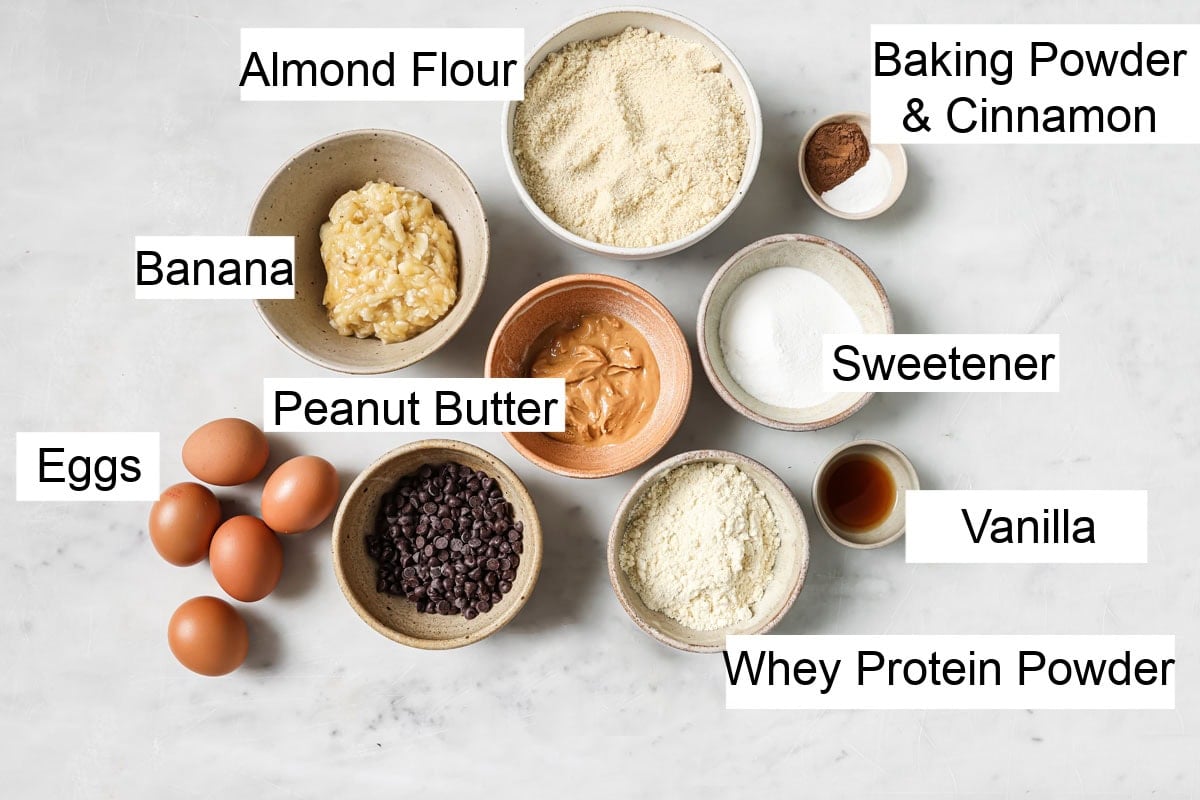
Very Ripe Bananas
Use bananas that are heavily spotted or mostly brown. They are softer, sweeter, and easier to mash than firm yellow bananas.
There is also a practical advantage: ripe bananas allow you to reduce the amount of added sweetener. That does not make the natural sugars disappear, but it can make the loaf taste sweet without needing as much maple syrup, honey, or granulated sugar.
Protein Powder
Whey protein is often the easiest starting point for baking because it blends readily and can produce a relatively tender crumb when used in a balanced amount.
Casein and plant-based powders can also work, but they may absorb liquid differently. Pea, rice, hemp, and mixed plant proteins vary considerably from brand to brand, so changing protein powder can change the batter even when the scoop size stays the same.
Best practical rule: use a protein powder you already enjoy drinking. If you dislike the flavor or texture in a shake, baking it into banana bread rarely makes the problem disappear.
Greek Yogurt
Greek yogurt is one of the most useful ingredients in high-protein banana bread because it performs several jobs at once. It adds protein, acidity, moisture, and tenderness without requiring a large amount of oil.
It is also a good option when the goal is a loaf that tastes like conventional banana bread rather than a dense “fitness” bake.
Cottage Cheese
Cottage cheese has become especially popular in protein baking because it can contribute substantial protein and moisture. Blend it until smooth if you want the cheese to disappear completely into the batter.
Recent high-protein banana bread recipes increasingly use cottage cheese, sometimes alongside Greek yogurt and protein powder.
Eggs
Eggs are more than a protein source. They help bind the batter and provide structure as the loaf sets in the oven.
Oat Flour
Oat flour gives banana bread a softer, slightly hearty character and works particularly well with banana and cinnamon. It can also be paired with all-purpose flour when you want a more traditional crumb.
Almond Flour
Almond flour contributes fat, moisture, and a subtle nutty flavor. It can be useful in gluten-free recipes, but it behaves differently from wheat flour and should not be substituted gram-for-gram in every recipe.
Sweetener
If the bananas are very ripe, you may need surprisingly little additional sweetener. Maple syrup and honey work well when you want a softer, more dessert-like loaf, while a reduced-sugar recipe can rely primarily on the bananas.
Cinnamon and Vanilla
These ingredients are inexpensive but disproportionately important. They make a protein-rich loaf taste more like familiar banana bread and less like a functional nutrition experiment.
Our Balanced High-Protein Banana Bread Recipe
This version is designed around a simple principle: increase protein without pushing the protein powder so high that the loaf loses the texture people actually want from banana bread.
Recipe at a Glance
- Prep time: 15 minutes
- Bake time: 45 to 55 minutes
- Cooling time: at least 30 minutes
- Yield: 10 slices
- Pan: 9-by-5-inch loaf pan
- Oven: 350°F (175°C)
Ingredients
- 3 very ripe medium bananas, mashed
- 2 large eggs
- 3/4 cup plain Greek yogurt
- 1/4 cup maple syrup or honey
- 1 teaspoon vanilla extract
- 1 cup oat flour
- 1/2 cup almond flour
- 1/2 cup vanilla or unflavored whey protein powder
- 1 1/2 teaspoons baking powder
- 1/2 teaspoon baking soda
- 1/2 teaspoon fine salt
- 1 teaspoon ground cinnamon
- Optional: 1/3 cup chopped walnuts
- Optional: 1/3 cup dark chocolate chips
How to Make Protein Banana Bread
- Heat the oven. Preheat the oven to 350°F (175°C). Line a 9-by-5-inch loaf pan with parchment paper, leaving enough overhang to lift the loaf out after baking.
- Mash the bananas. Place the bananas in a large bowl and mash until mostly smooth. A few small pieces are fine and can add texture.
- Build the wet mixture. Whisk in the eggs, Greek yogurt, maple syrup or honey, and vanilla until evenly combined.
- Mix the dry ingredients. In another bowl, whisk together the oat flour, almond flour, protein powder, baking powder, baking soda, salt, and cinnamon.
- Combine gently. Add the dry ingredients to the wet mixture. Fold with a spatula just until the flour disappears. Do not aggressively beat the batter.
- Check the consistency. The batter should be thick but spreadable. If it looks unusually stiff, add one tablespoon of milk at a time until it loosens slightly.
- Add optional mix-ins. Fold in walnuts or dark chocolate chips if using.
- Fill the pan. Scrape the batter into the prepared loaf pan and smooth the surface.
- Bake. Bake for approximately 45 to 55 minutes. Begin checking around 45 minutes because protein-rich batters can vary considerably depending on the protein powder and moisture content.
- Test the center. Insert a toothpick into the middle. It should emerge with a few moist crumbs rather than wet batter.
- Cool before slicing. Leave the loaf in the pan for about 15 minutes, then transfer it to a rack and let it cool substantially before cutting.

How to Tell When Protein Banana Bread Is Really Done
Color is not enough.
A high-protein loaf can develop a beautiful brown top while the center is still underbaked. Conversely, leaving it in the oven until the toothpick comes out completely bone-dry can produce a loaf that is technically cooked but unpleasantly dry.
Look for three signals:
- The center should feel set rather than liquid when gently pressed.
- The loaf should begin pulling slightly away from the sides of the pan.
- A toothpick should come out with a few moist crumbs rather than raw batter.
Remember that the loaf continues to set as it cools. This is particularly important with protein-rich recipes.
Why Your Protein Banana Bread Came Out Dry
If your loaf tastes more like a protein bar than banana bread, the problem is usually formula balance rather than the oven.
Too Much Protein Powder
This is the most common culprit. Adding another scoop may improve the nutrition label while destroying the crumb.
Not Enough Moisture
Protein powder, oat flour, and almond flour can all alter the amount of liquid the batter needs. Greek yogurt, mashed banana, milk, or another moisture-rich ingredient can help restore balance.
Overbaking
Every extra minute matters more in a lean, protein-enriched loaf. Start checking before the upper end of the recipe's baking range.
Changing Protein Powder Brands
A scoop is not a standardized baking measurement. Two powders with the same advertised serving size can have very different weights, ingredients, and moisture behavior.
Using Too Little Banana
Bananas are doing structural work here. Cutting the banana quantity dramatically while keeping the dry ingredients unchanged can make the batter far drier than expected.
Why Your Protein Banana Bread Is Gummy
Gumminess is the opposite problem, but the causes are equally predictable.
- The center is underbaked.
- The loaf was sliced while still hot.
- The batter contained too much protein powder.
- The recipe contained excessive moisture for the flour used.
- The protein powder itself has a tendency to create a dense texture.
- The batter was overmixed.
If the outside is fully browned but the center remains wet, tent the loaf loosely with foil and continue baking rather than immediately increasing the oven temperature.
Protein Powder vs. Cottage Cheese: Which Is Better?
Neither is universally better. They solve different problems.
| Ingredient | Main advantage | Potential drawback |
|---|---|---|
| Whey protein | Easy way to raise protein concentration | Can dry the loaf if overused |
| Greek yogurt | Protein plus moisture and tenderness | Not suitable for dairy-free diets |
| Cottage cheese | Protein plus moisture | Works best when blended smooth |
| Eggs | Protein and structure | Too many can make the crumb eggy |
| Plant protein | Dairy-free option | Absorption and flavor vary by product |
One of the most interesting developments in recent recipes is the move toward food-first protein. A 2026 recipe published by Joy to the Food, for example, gets its protein from cottage cheese, flaxseed, and eggs rather than protein powder.
Can You Make Protein Banana Bread Without Protein Powder?
Yes—and for some people, that may actually be the better-tasting option.
Use a combination of Greek yogurt or cottage cheese, eggs, seeds, and protein-rich flour choices. You will usually get less protein per slice than with a heavily fortified powder-based recipe, but you may also get a more conventional banana-bread texture.
This approach is especially useful if you dislike the taste of protein powder, want a minimally processed ingredient list, or are baking for people who do not normally eat protein-fortified foods.
Is Greek Yogurt the Secret to Moist Protein Banana Bread?
It is one of the most reliable tricks, but it is not magic.
Greek yogurt adds water, protein, acidity, and a creamy texture. That combination makes it particularly useful in recipes where protein powder has increased the batter's tendency to become dry.
Several current protein banana bread recipes use Greek yogurt specifically for this reason, sometimes combining it with whey, oat flour, or other protein-rich ingredients.
Protein Banana Bread Variations
Chocolate Chip Protein Banana Bread
Add dark chocolate chips for a dessert-like loaf. Keep the amount moderate if you are trying to control calories.
Cottage Cheese Protein Banana Bread
Blend cottage cheese until smooth and use it alongside eggs and bananas. This is one of the best options for people who want high protein without relying entirely on protein powder.
Peanut Butter Protein Banana Bread
Swirl natural peanut butter through the batter before baking. The banana-peanut combination is naturally rich, so this version works especially well with a simple vanilla protein powder.
Blueberry Protein Banana Bread
Fold in fresh or frozen blueberries at the end. Do not overmix, or the berries can release excess liquid and streak the batter.
Walnut Protein Banana Bread
Chopped walnuts add crunch and a classic banana-bread flavor. Toast them first for a deeper nutty taste.
Gluten-Free Protein Banana Bread
Use certified gluten-free oat flour and an appropriate gluten-free flour blend. Check the protein powder label as well, because not every protein powder is manufactured under the same gluten-free standards.
Dairy-Free Protein Banana Bread
Use a dairy-free protein powder and plant-based yogurt. Expect some variation in texture because plant proteins absorb liquid differently from whey.
Vegan Protein Banana Bread
A vegan version requires replacing eggs as well as dairy. Flax eggs, plant yogurt, and a suitable plant protein blend can work, but the finished crumb will not be identical to an egg-based loaf.
Can Protein Banana Bread Help With Weight Loss?
It can fit into a weight-loss diet, but it is not a weight-loss food by itself.
The useful feature is that protein-rich foods can be more filling than lower-protein alternatives. Controlled research generally supports an effect of higher protein intake on short-term fullness, although the relationship between protein intake and actual long-term calorie intake is more complicated.
The practical question is therefore not “Is protein banana bread good for weight loss?” but “Does this version help me eat in a way that fits my calorie and protein needs?”
A 250-calorie slice with 12 grams of protein may work beautifully for one person and be too calorie-dense for another. Nutrition goals matter more than the label on the recipe.
Protein Banana Bread as a Meal-Prep Food
This is where banana bread has a genuine advantage over many protein snacks.
Bake one loaf, allow it to cool completely, slice it, and freeze individual portions. You can then take out exactly what you need rather than thawing an entire loaf.
- Breakfast: Pair a slice with Greek yogurt and berries.
- Post-workout: Combine it with milk, yogurt, or another protein source if the slice alone does not meet your protein target.
- Afternoon snack: Add peanut or almond butter for more staying power.
- Lunchbox: Use smaller slices for an easy portable snack.
- Dessert: Warm a slice and add a small spoonful of yogurt or nut butter.
How to Store Protein Banana Bread
Protein-enriched baked goods can dry out quickly, so storage matters.
At Room Temperature
Keep the loaf tightly wrapped or in an airtight container and use it within about two days for the best texture.
In the Refrigerator
Refrigeration can extend storage to roughly a week, although cold temperatures can make the crumb firmer. Let a slice come closer to room temperature before eating, or warm it briefly.
In the Freezer
Slice the cooled loaf first. Wrap individual slices and place them in a freezer-safe bag or container. Properly wrapped slices can generally be kept for around three months without major quality loss.
Frozen Bananas: Should You Use Them?
Absolutely.
Frozen bananas are particularly useful when you have accumulated overripe fruit. Thaw them completely before mixing them into the batter. They often become extremely soft after thawing, which makes them easy to mash.
If the thawed bananas release a large amount of liquid, avoid automatically pouring every drop into the batter. Excess water can change the recipe's texture, especially when protein powder and oat flour are already involved.
How Many Bananas Should You Use?
For a standard 9-by-5-inch loaf, three medium very ripe bananas are a useful starting point.
But weighing the mashed banana is even better. Bananas vary dramatically in size, and that variation can change the moisture and sweetness of the batter.
If you consistently bake banana bread, measuring the mashed fruit by weight is one of the easiest ways to make your results repeatable.
Can You Turn the Same Batter Into Protein Banana Muffins?
Usually, yes.
Divide the batter into lined muffin cups rather than a loaf pan and begin checking much earlier because individual muffins cook faster. Do not simply copy the loaf's baking time.
The advantage is convenience: muffins are already portioned. The disadvantage is that their larger exposed surface area can cause them to lose moisture faster during storage.
Can You Make Protein Banana Bread in an Air Fryer?
Small-format banana bread can work in an air fryer, but a full-size loaf is generally easier to control in a conventional oven.
If adapting the recipe, use an appropriately sized pan that fits comfortably inside the air fryer basket and reduce the batch size if necessary. Because air fryers vary substantially in heating pattern and capacity, use visual doneness and an internal check rather than assuming a universal cooking time.
Common Protein Banana Bread Myths
Myth: More Protein Powder Always Makes the Loaf Better
No. More protein powder can mean more protein, but it can also mean less moisture, a denser crumb, and a less enjoyable loaf.
Myth: Protein Banana Bread Is Automatically Low-Calorie
No. Protein powder itself contains calories, and ingredients such as nuts, nut butter, chocolate, oil, and sweeteners can raise the energy content quickly.
Myth: Natural Sweeteners Make the Recipe Sugar-Free
Maple syrup and honey are still sources of sugar. Replacing white sugar with a different sweetener can change the ingredient profile, but it does not make the loaf sugar-free.
Myth: Protein Banana Bread Must Taste Like Protein Powder
It should not. If the protein flavor dominates, the recipe may be using too much powder or a protein powder whose flavor does not complement banana.
Myth: You Need Protein Powder to Make High-Protein Banana Bread
Not necessarily. Eggs, Greek yogurt, cottage cheese, seeds, and other protein-rich ingredients can raise the protein content without using supplemental protein powder.
Who Is Protein Banana Bread Best For?
It is particularly useful for people who enjoy banana bread but want a snack or breakfast option that contributes more protein to the day.
- People who struggle to eat enough protein through ordinary meals
- Busy adults who want a make-ahead breakfast
- Recreational athletes looking for convenient post-workout food
- Families trying to make homemade snacks more filling
- People with several overripe bananas to use
- Anyone who wants a more balanced alternative to dessert-style banana bread
It is not necessary for everyone. If you already meet your protein needs comfortably through your normal diet, traditional banana bread can still have a perfectly reasonable place in an overall eating pattern.
Frequently Asked Questions About Protein Banana Bread
Is protein banana bread healthier than regular banana bread?
It can be more protein-rich and sometimes lower in added sugar, but the answer depends on the recipe. Compare the complete nutrition profile rather than assuming that a “protein” label automatically means healthier.
How much protein is in one slice of protein banana bread?
Many recipes provide roughly 9 to 15 grams per slice, while heavily fortified recipes can provide considerably more. The actual amount depends on the ingredients and serving size.
What is the best protein powder for banana bread?
A mild vanilla or unflavored whey protein is a reliable starting point. Plant-based powders can also work, but you may need to adjust moisture because their absorption characteristics differ.
Can I make protein banana bread without protein powder?
Yes. Greek yogurt, cottage cheese, eggs, flaxseed, and other protein-rich ingredients can raise the protein content without supplemental protein powder.
Why is my protein banana bread dry?
The most common reasons are too much protein powder, too little moisture, overbaking, or a protein powder that absorbs more liquid than the original recipe expected.
Why is my protein banana bread gummy?
It may be underbaked, overmixed, too moist, or overloaded with protein powder. Letting it cool fully before slicing is also important.
Can I use Greek yogurt instead of oil?
Often, yes, although the substitution depends on the recipe. Greek yogurt adds moisture and protein but does not behave exactly like oil, so replacing all the fat in a recipe can change the crumb.
Can I use cottage cheese?
Yes. Blend it smooth for the most even texture. Cottage cheese is particularly useful when you want to increase protein without adding a large amount of protein powder.
Can I use frozen bananas?
Yes. Thaw them first and manage any excess liquid so the batter does not become unnecessarily wet.
Is protein banana bread good for weight loss?
It can fit into a calorie-controlled diet and may be more filling than a lower-protein alternative, but it does not automatically cause weight loss. Total dietary intake still matters.
How long does protein banana bread last?
For best quality, use it within about two days at room temperature, up to roughly a week refrigerated, or around three months when properly wrapped and frozen.
Can I freeze protein banana bread?
Yes. Freezing individual slices is the most convenient method because you can thaw one serving at a time.
Can kids eat protein banana bread?
A banana bread made from ordinary foods such as bananas, eggs, yogurt, and flour can fit into a child's diet. If using protein powder, consider the child's age, overall diet, and the product's ingredients rather than assuming that more supplemental protein is necessary.
Can I make protein banana bread gluten-free?
Yes. Use certified gluten-free oat flour and an appropriate gluten-free flour combination, and verify that the other packaged ingredients meet your dietary requirements.
Can I make it dairy-free?
Yes. Use plant-based yogurt and a dairy-free protein powder. Because plant proteins vary, expect to make small adjustments to the liquid.
Can I make it vegan?
Yes, but replacing both eggs and dairy changes the structure. A combination of flax eggs, plant yogurt, and plant protein can work, although the crumb will be different from the standard version.
Why did my banana bread sink in the middle?
Underbaking, excessive moisture, too much leavening, or opening the oven too early can cause the center to collapse. Make sure the middle is properly set before removing the loaf.
Can I double the recipe?
Yes. Prepare two loaf pans rather than putting twice the batter into one pan. The baking time may change slightly, so test each loaf individually.
The Bottom Line
The best protein banana bread is not the loaf with the largest number printed beside “protein” on the nutrition label. It is the loaf you can actually enjoy, repeat, freeze, and fit into your normal eating routine.
The smartest formula uses protein strategically: enough to meaningfully change the nutritional profile, but not so much that the banana bread stops behaving like banana bread.
For most home bakers, that means very ripe bananas for natural sweetness and moisture, eggs for structure, Greek yogurt or cottage cheese for additional protein and tenderness, a moderate amount of protein powder when desired, and enough flour or oats to give the loaf a proper crumb.
That balance is the real trick. Protein banana bread should not feel like a compromise. When the formula is right, it can deliver the familiar smell of warm bananas and cinnamon, the soft center people expect from a good loaf, and enough protein to make the snack work a little harder for you.
Further Reading and Evidence
Research on protein intake and appetite provides useful context for understanding why protein-rich meals can influence fullness, while recipe development from current high-protein banana bread examples shows how different ingredient combinations affect texture and protein content.
Evidence on protein and fullness should be interpreted as nutrition research rather than proof that a particular banana bread recipe causes weight loss.
