
If you have three or four bananas turning brown on the counter, you already have the best excuse to make this chocolate chip banana bread. The goal is not simply a sweet loaf with banana flavor. The best version has a deeply banana-scented crumb, a soft but not gummy center, a lightly crisp top, and pockets of melted chocolate that stay distributed from the first slice to the last.
This recipe is designed around that balance. It uses very ripe bananas for natural sweetness and moisture, melted butter for richness, enough flour to give the loaf structure without drying it out, and a gentle mixing method that keeps the crumb tender. The chocolate chips are folded in carefully so they do not all disappear onto the bottom of the pan.
Quick answer: For moist chocolate chip banana bread, use very ripe bananas, measure the flour carefully, mix the batter only until the flour disappears, bake in a 9-by-5-inch loaf pan at 350°F (175°C), and let the loaf cool before slicing. For most ovens, expect roughly 55 to 65 minutes of baking time.

Chocolate Chip Banana Bread at a Glance
| Detail | What to Expect |
|---|---|
| Yield | 1 standard 9-by-5-inch loaf, about 10 to 12 slices |
| Prep time | About 15 minutes |
| Baking time | 55 to 65 minutes |
| Oven temperature | 350°F (175°C) |
| Best bananas | Very ripe, heavily speckled or mostly brown |
| Difficulty | Beginner-friendly |
| Best texture | Moist, tender and fully set, not wet or gummy |
Why This Banana Bread Turns Out Moist Instead of Gummy
“Moist” and “undercooked” are not the same thing. That distinction is one of the most useful things to understand about banana bread.
A good loaf feels soft and rich because ripe bananas bring water and natural sugars to the batter, while butter contributes fat and tenderness. But too much banana, too much liquid, too little flour, or an insufficient bake can leave the center gummy. On the other hand, too much flour or too much time in the oven can turn the same recipe dry.
The sweet spot comes from controlling four things: the amount of mashed banana, the flour measurement, how much the batter is mixed, and the point at which the loaf is removed from the oven.
That is why the recipe below does not rely on baking time alone. A banana loaf can look beautifully browned while the middle still needs several more minutes. The center should be set, and a skewer should come out with a few moist crumbs rather than streaks of raw batter.
Ingredients for Chocolate Chip Banana Bread
- 3 to 4 very ripe bananas, mashed — Choose bananas with plenty of brown spotting. They should be soft, fragrant and noticeably sweeter than yellow bananas.
- 1/2 cup (115 g) unsalted butter, melted and slightly cooled — Adds richness and helps create a tender crumb.
- 3/4 cup granulated sugar — Gives the loaf sweetness while allowing the ripe bananas to remain the dominant flavor.
- 2 large eggs — Provide structure and help the loaf set as it bakes.
- 1 teaspoon vanilla extract — Rounds out the banana and chocolate flavors.
- 1 3/4 cups all-purpose flour — Gives the loaf enough structure without making it heavy.
- 1 teaspoon baking soda — Helps the batter rise and contributes to the characteristic quick-bread texture.
- 1/2 teaspoon salt — Balances the sweetness and makes the chocolate and banana taste more pronounced.
- 1/2 teaspoon ground cinnamon — Optional, but excellent if you want a warmer, more aromatic loaf.
- 3/4 to 1 cup semisweet chocolate chips — Use more or less according to taste.
Optional: Add 1/2 cup chopped walnuts or pecans for crunch, or replace part of the semisweet chocolate with dark chocolate chips for a less sweet, more intense chocolate flavor.
What Kind of Bananas Are Best for Banana Bread?
The bananas you would hesitate to eat are often the bananas you should be reaching for when you bake.
As bananas ripen, their starches break down and their flavor becomes sweeter and more pronounced. The flesh also becomes softer and easier to mash. That combination is exactly what banana bread needs: concentrated banana flavor, sweetness and moisture in one ingredient.
Look for bananas with extensive brown spotting and a strong banana aroma. Bananas that are mostly brown or very dark on the peel can still be excellent for baking as long as there is no mold or spoilage.
If your bananas are merely yellow and firm, the loaf can still work, but it will generally have less banana flavor and may need more added sweetness.
Can You Use Frozen Bananas?
Yes. Frozen bananas are particularly useful if you routinely buy more bananas than your household can eat.
Peel very ripe bananas before freezing them and place them in an airtight freezer bag or container. When you are ready to bake, thaw them completely. Thawed bananas often release liquid, so drain excess liquid if there is a large amount. The fruit will be softer and wetter than fresh mashed banana, but that is not a problem as long as the final batter has the expected thick consistency.
Do not judge thawed bananas by appearance alone. They can look watery and separated after freezing and still produce excellent banana bread.
How to Make Chocolate Chip Banana Bread
1. Heat the Oven and Prepare the Pan
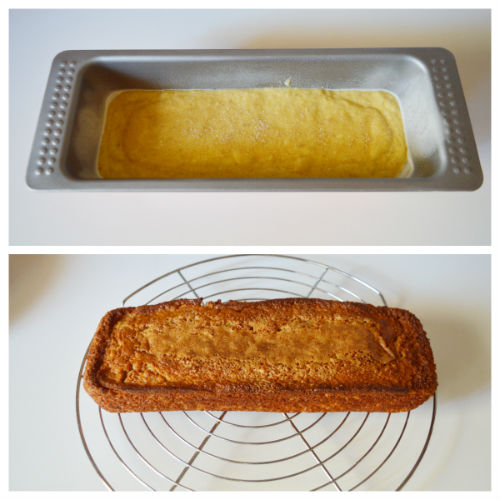
Heat the oven to 350°F (175°C). Grease a standard 9-by-5-inch loaf pan and line it with parchment paper, leaving enough paper hanging over the long sides to lift the loaf out later.
This parchment sling is more than a convenience. Banana bread is tender when warm, and trying to turn a soft loaf out of a pan without enough support is an easy way to crack it.
2. Mash the Bananas
Place the peeled bananas in a large mixing bowl and mash them with a fork or potato masher.
A completely smooth puree is not necessary. A few small banana pieces can create pleasant pockets of concentrated fruit in the finished loaf. The important thing is to avoid leaving large chunks that could create unusually wet spots.
3. Mix the Wet Ingredients
Add the melted butter, sugar, eggs and vanilla to the mashed bananas. Stir until the mixture is evenly combined.
If the butter is freshly melted, let it cool for several minutes first. Very hot butter can partially cook the eggs when they are combined.
4. Whisk the Dry Ingredients Separately
In a second bowl, whisk together the all-purpose flour, baking soda, salt and cinnamon.
This simple step helps distribute the baking soda and salt evenly through the flour. It also makes it easier to avoid overmixing later.
5. Combine the Wet and Dry Mixtures
Add the dry mixture to the banana mixture. Fold with a rubber spatula until the flour has just disappeared.
Do not chase a perfectly smooth batter. A few small lumps are fine. The moment you no longer see dry streaks of flour, stop mixing.
Overmixing is one of the easiest ways to turn a tender banana loaf into a dense, chewy one. Flour contains gluten-forming proteins, and more mixing gives that network more opportunity to develop. Banana bread needs enough structure to hold itself together, but not the elastic structure you would want in yeast bread.
6. Add the Chocolate Chips
Reserve a small handful of chocolate chips for the top. Fold the remaining chips into the batter with just a few gentle strokes.
If your chips routinely sink, toss them with about a teaspoon of flour before adding them. This is not magic, and it cannot overcome an extremely thin batter, but it can help the chips stay distributed. Mini chocolate chips are another useful option because their smaller size makes them easier to suspend throughout the loaf.
7. Fill the Loaf Pan
Transfer the batter to the prepared pan and smooth the surface without pressing it down. Scatter the reserved chocolate chips across the top.
Adding chips to the surface gives the finished loaf a more appealing appearance and ensures that even slices with fewer interior chips still have visible melted chocolate on top.
8. Bake Until the Center Is Set
Bake for approximately 55 to 65 minutes.
Start checking toward the lower end of the range, but do not remove the loaf simply because the timer has finished. Ovens differ, and banana size, banana moisture, pan material and batter depth can all change the baking time.
Insert a wooden skewer or toothpick into the center. It should come out with a few moist crumbs attached. A streak of raw batter means the loaf needs more time.
If the top becomes dark before the center is finished, loosely cover the loaf with aluminum foil and continue baking.
9. Let the Banana Bread Cool
Let the loaf rest in the pan for about 10 to 15 minutes. Then use the parchment paper to lift it onto a wire rack.
For the cleanest slices, wait until the loaf has cooled substantially before cutting it. The crumb continues to set as the bread cools, and slicing while it is piping hot can make a perfectly baked loaf appear wet or gummy.
The Most Important Banana Bread Mistakes to Avoid
Using Too Much Flour
Flour is easy to overmeasure when using cups. Scooping directly into a flour bag can pack more flour into the measuring cup than intended, producing a heavier and drier loaf.
If you have a kitchen scale, weighing the flour is the most consistent approach. If you are measuring by volume, lightly spoon flour into the measuring cup and level it with a straight edge instead of compressing it.
Using Under-Ripe Bananas
Yellow bananas can technically make banana bread, but they usually do not deliver the deep fruit flavor that makes the loaf special. If the bananas have very few brown spots, consider waiting another day or two.
Overmixing
Once the flour disappears, the mixing is finished. Continued stirring can make the crumb tougher and less delicate.
Opening the Oven Too Early
Quick breads need time to establish their structure. Repeatedly opening the oven door early in the bake can cause a loaf that has started to rise to lose heat before its center has set.
Trusting the Clock More Than the Loaf
Fifty-five minutes is not a guarantee. Neither is sixty-five minutes. Use the baking time as a guide and the appearance and center of the loaf as the final test.
Slicing Immediately
The smell of warm banana bread makes patience difficult, but cooling matters. Give the loaf enough time to finish setting before cutting into it.
How to Keep Chocolate Chips From Sinking
Chocolate chips sink when the batter cannot hold them in place long enough for the loaf structure to set. Several small choices can help.
- Use a reasonably thick batter rather than adding unnecessary liquid.
- Do not overmix the batter, which can change its structure and make the loaf heavier.
- Toss the chocolate chips lightly with flour before folding them in.
- Use mini chocolate chips if you want more even distribution.
- Reserve some chips for the top rather than putting every chip into the batter.
- Avoid adding excessive banana or other liquid ingredients beyond the recipe's intended ratio.
The flour-tossing trick is useful, but it is not a substitute for correct batter consistency. If the batter is unusually loose, the chips can still migrate downward.
Best Chocolate Chips for Banana Bread
Semisweet chocolate chips are the easiest all-purpose choice because their bitterness keeps the loaf from becoming overwhelmingly sweet.
Dark chocolate chips create a deeper, more grown-up flavor and work especially well when the bananas are exceptionally sweet.
Milk chocolate chips produce a softer, sweeter result that tends to appeal to children and anyone who prefers a candy-bar-style banana bread.
Mini chocolate chips distribute particularly well and put chocolate into more bites without requiring a huge amount of chocolate.
You can also combine two varieties. A mixture of semisweet and dark chocolate gives the loaf more complexity without changing the basic recipe.
Easy Variations on Chocolate Chip Banana Bread
Banana Walnut Chocolate Chip Bread
Add about 1/2 cup of toasted chopped walnuts or pecans. Toasting the nuts first makes their flavor noticeably stronger and keeps them from tasting raw inside the moist crumb.
Double Chocolate Banana Bread
For a more chocolate-forward loaf, replace a portion of the flour with unsweetened cocoa powder. Because cocoa changes the balance of dry ingredients, use a tested ratio rather than simply adding cocoa on top of the original flour amount.
Peanut Butter Chocolate Chip Banana Bread
Swirl a few tablespoons of creamy peanut butter into the batter immediately before baking. The combination creates a flavor profile reminiscent of a peanut butter cup without requiring frosting.
Cinnamon Banana Bread
Add cinnamon to the dry ingredients for a warmer, more aromatic loaf. A small pinch of nutmeg or cardamom can also work well, particularly during the colder months.
Orange Chocolate Banana Bread
Add finely grated orange zest to the batter. The citrus cuts through the richness of the chocolate and gives the loaf a brighter finish.
Whole Wheat Banana Bread
Replace part of the all-purpose flour with whole wheat flour for a nuttier flavor and a heartier crumb. Using all whole wheat flour can produce a denser loaf, so partial substitution is usually the easier starting point.
Banana Bread Muffins
Use the same basic batter in a lined muffin tin. Because muffins are smaller, begin checking them much earlier than a full loaf. They are a practical choice when you want individual servings or need banana bread for a breakfast table.
Vegan Chocolate Chip Banana Bread
For a vegan version, replace the eggs with an appropriate egg substitute such as flax eggs, use plant-based butter or neutral oil, and choose dairy-free chocolate chips. Expect some difference in crumb because eggs contribute both structure and emulsification.
How to Store Chocolate Chip Banana Bread
Once the loaf has cooled completely, wrap it tightly or place it in an airtight container. At normal room temperature, it is best enjoyed within about three to four days for good quality.
Refrigeration can extend storage, but the cold environment can make the crumb feel firmer. A short warm-up can restore some of the softness.
For longer storage, freezing is the better option. Slice the loaf before freezing if you want individual portions. Separate slices with parchment paper, place them in a freezer-safe container or bag, and remove only what you need.
Frozen banana bread can generally be kept for around three months with good quality when it is well wrapped and protected from freezer air. Thaw slices at room temperature or warm them gently before serving.
Can You Make Banana Bread Ahead of Time?
Absolutely. In fact, banana bread is one of the more convenient homemade baked goods for make-ahead situations.
A completely cooled loaf can be wrapped and held for the next day, and many people find the banana flavor becomes even more integrated after several hours. For parties, brunches, bake sales and gifts, baking the loaf the day before can reduce last-minute kitchen work.
Mini loaves are especially useful for gifting. They are easier to portion, transport and wrap, although their smaller size means you should begin checking them for doneness well before a full-size loaf would be ready.
Why Banana Bread Became Such a Useful American Quick Bread
Banana bread occupies an unusual place in American home baking. It is both a comfort food and a practical kitchen solution.
The basic idea is simple: transform bananas that are becoming too soft for ordinary snacking into something people actively want to eat. That practical quality helped banana bread become associated with home economics, community cookbooks and everyday family baking during the twentieth century.
Its popularity has lasted because the recipe is unusually forgiving. The same basic framework can absorb nuts, chocolate, spices, yogurt, different sweeteners and alternative flours without losing its identity.
That adaptability is also why banana bread is more than a single recipe. It is a template: ripe fruit supplies flavor and moisture, flour supplies structure, eggs help bind and set the loaf, fat contributes tenderness, and chemical leavening provides lift.
How to Tell When Banana Bread Is Actually Done
Color is useful, but it is not enough.
A finished loaf should have a browned top, a set center and a texture that springs back slightly when gently pressed. A skewer inserted into the center should come out without wet batter. A few moist crumbs are perfectly acceptable.
Be careful when testing a loaf containing chocolate chips. A skewer can hit a melted chocolate pocket and come out looking wet even when the bread is fully baked. If that happens, test another spot closer to the center.
If the top looks finished but the center is not, tent the loaf loosely with foil and continue baking. This protects the crust while allowing the middle to finish cooking.
Troubleshooting Chocolate Chip Banana Bread
| Problem | Likely Reason | What to Do Next Time |
|---|---|---|
| Dry banana bread | Too much flour or overbaking | Measure flour carefully and begin checking the loaf earlier. |
| Gummy center | Underbaking, excess moisture or slicing too soon | Continue baking until the center is set and cool the loaf before slicing. |
| Chocolate chips sink | Batter is too loose or chips are relatively heavy | Coat chips lightly with flour and reserve some for the top. |
| Burnt top, raw center | Top is browning faster than the interior cooks | Tent with foil and continue baking. |
| Dense loaf | Overmixing, excess flour or insufficient leavening | Mix only until combined and measure ingredients carefully. |
| Loaf collapses | Underbaking or structural problems in the batter | Make sure the center is fully set before removing it from the oven. |
| Bland banana flavor | Bananas were not ripe enough | Use bananas with substantial brown spotting and a strong aroma. |
| Loaf sticks to pan | Insufficient preparation | Grease the pan and use parchment paper with an overhang. |
Ways to Serve Chocolate Chip Banana Bread
A warm slice needs very little help. A small amount of butter is enough to make the crumb feel even richer.
For dessert, serve toasted banana bread with vanilla ice cream, whipped cream or a light drizzle of caramel sauce. For breakfast or an afternoon snack, pair it with coffee, tea or a glass of milk.
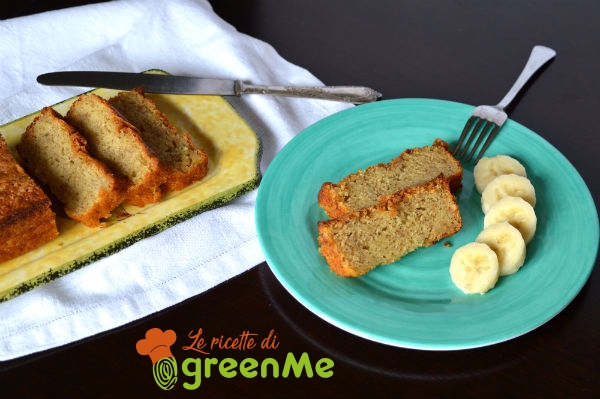
For a more bakery-style presentation, arrange thick slices on a serving board with fresh berries and a few extra chocolate chips. If you are serving the bread at a brunch, slice it after it has cooled completely so the pieces hold their shape cleanly.
Can You Make Chocolate Chip Banana Bread Healthier?
You can adjust the recipe, although banana bread remains a sweet baked good rather than a health food.
Reducing the sugar moderately is often possible when the bananas are extremely ripe. You can also replace part of the all-purpose flour with whole wheat flour, reduce the amount of chocolate chips, or experiment with yogurt or applesauce in recipes specifically formulated for those substitutions.
The important point is that every ingredient has a structural role. Large changes to the flour, fat, sugar or liquid can alter the texture as well as the nutrition, so substitutions should be made deliberately rather than ingredient for ingredient without considering the balance of the batter.
Frequently Asked Questions About Chocolate Chip Banana Bread
How ripe should bananas be for chocolate chip banana bread?
The best bananas are very ripe, soft and heavily speckled with brown. Bananas that are mostly brown on the peel can be excellent for baking if they are not moldy or spoiled. Their concentrated sweetness and soft texture are ideal for banana bread.
Why is my banana bread moist but not fully cooked?
Banana bread naturally has a moist crumb, but a wet or gummy center usually means the loaf needs more time in the oven or contains too much moisture relative to its structure. Check the center with a skewer and continue baking if it shows raw batter.
What temperature should banana bread be baked at?
A common baking temperature is 350°F (175°C). Some recipes use different temperatures depending on their ingredient ratios and pan dimensions, so the recipe's stated temperature should take priority.
How long does chocolate chip banana bread take to bake?
A standard 9-by-5-inch loaf commonly takes about 55 to 65 minutes at 350°F, although the actual time can vary with the oven, pan, banana size and batter moisture. Always check the center rather than relying only on the timer.
Can I use oil instead of butter?
Yes. Neutral vegetable oil can produce a very moist loaf and is a common alternative to butter. Butter provides a richer dairy flavor, while oil tends to emphasize softness and moisture.
Can I use brown sugar instead of white sugar?
Yes. Brown sugar adds molasses flavor and can make the loaf feel especially moist. You can also use a combination of brown and granulated sugar for a balance of caramel flavor and sweetness.
Should I refrigerate banana bread?
Not necessarily for short-term storage. A well-wrapped loaf can generally be kept at room temperature for several days. Refrigeration can extend storage but may make the crumb firmer.
Can I freeze chocolate chip banana bread?
Yes. Slice it first if you want convenient individual portions, wrap the slices well, and store them in a freezer-safe container or bag. Good quality can be maintained for roughly three months when properly protected from freezer air.
Why did my banana bread sink in the middle?
The most common reasons are underbaking, excessive moisture, or problems with the batter's structure. Make sure the center is fully set before removing the loaf, avoid repeatedly opening the oven early in the bake, and keep the ingredient ratios consistent.
Can I reduce the amount of sugar?
Yes, particularly when using exceptionally ripe bananas. A moderate reduction is usually easier than a dramatic one because sugar contributes more than sweetness to baked goods; it also affects moisture, browning and texture.
How do I keep chocolate chips evenly distributed?
Use a thick enough batter, avoid overmixing, lightly coat the chips with flour, and reserve some chips for the top. Mini chocolate chips can also distribute more evenly than large chips.
Can I make this banana bread gluten-free?
Yes. A commercially formulated 1-to-1 gluten-free baking flour can be used in many banana bread recipes, especially blends designed to replace wheat flour in cakes and quick breads. Results vary by blend, so follow the manufacturer's substitution guidance.
The Bottom Line
The secret to exceptional chocolate chip banana bread is not a complicated ingredient list or expensive equipment. It is control.
Use bananas that are genuinely ripe. Measure the flour carefully. Keep the batter thick enough to support the chocolate chips. Stop mixing as soon as the flour disappears. Bake until the center is actually set, even if that takes a few extra minutes. Then give the loaf time to cool before slicing.
Those small decisions are what separate a loaf that is merely edible from one that disappears from the cutting board before anyone has had time to ask where you got the recipe.
And perhaps that is the enduring appeal of banana bread: it turns a handful of overripe bananas and ordinary pantry ingredients into something that feels thoughtful, generous and unmistakably homemade.
