

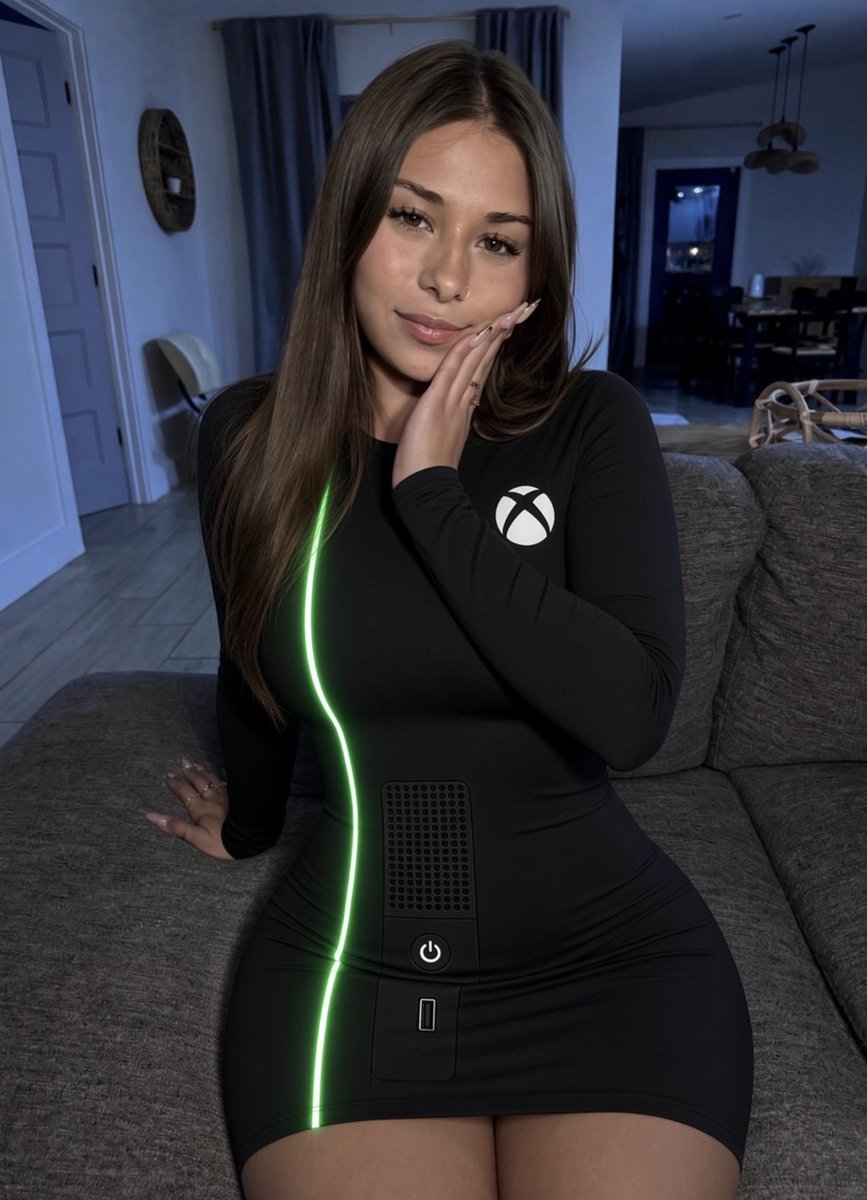
OnlyFans star Sophie Rain has described her recent appearance on Christian podcaster Bryce Crawford’s show as “horrific,” accusing him of “religion-baiting” her after a conversation that mixed her nine-figure earnings with repeated questions about sin and salvation.
Rain, who has publicly shown dashboard figures exceeding $100 million in gross OnlyFans earnings, told TMZ she expected an honest discussion but left feeling her faith had been put on trial.
“Religion-Baiting”

“Watching it back, I felt like my religion was being used to put me on trial,” Rain said. “He kept coming back to whether my work was a sin, even after I’d answered him.”
She added that she remained polite during the recording out of respect for differing beliefs, but later found the exchange deeply uncomfortable. “Asking me how sure I am that I’d go to heaven and repeatedly pressing me to quit OnlyFans didn’t feel like a conversation between two people,” she said. “To me, that felt like religion-baiting.”
am i a 10/10? 🥺
— Sophie Rain (@sophieraiin) October 1, 2026
Crawford’s episode, titled “OnlyFans Star Sophie Rain Says Jesus Is Her Best Friend,” covered her background, boundaries, earnings, and Christian faith. Rain has long maintained she does not post full nudity or have sex on camera and has described herself as a virgin.
The $100 Million Receipts
Rain’s financial claims have been among the most scrutinized in the creator economy. In January 2026 she posted a screen recording of her OnlyFans statistics page showing $101,209,778.70 in all-time gross earnings. Later appearances referenced figures above $110 million. On Bill Maher’s Club Random in September she again stated she had made more than $100 million.
She has repeatedly emphasized that the numbers are not typical. “THIS IS NOT a reality for most creators on the platform,” she wrote alongside one of the proof videos. Without a massive existing audience or unusual luck, she said, most people will not see similar results.
OnlyFans takes a standard 20% cut, so the gross figures include the platform’s share. Rain has also spoken about large tax bills, including a reported federal tax obligation in the tens of millions for a single year.
The “Clean Queen” Model
Rain’s brand centers on high earnings without full nudity — a model sometimes called the “Clean Queen” approach. She has said her base subscription is low (around the price of a latte) and that the bulk of revenue comes from pay-per-view, customs, and high-spending individual fans. One subscriber, she has claimed, spent several million dollars.
That combination of relatively restrained content and extreme revenue has made her both a case study and a lightning rod. Supporters point to the numbers as proof of smart branding and audience understanding. Critics question the sustainability and the optics of mixing faith discussions with adult-content wealth.
What Comes Next
Rain has not indicated any plan to leave OnlyFans. She continues to defend both her earnings claims and her personal boundaries. The Crawford interview, however, appears to have left a lasting mark. What began as a high-profile crossover conversation between a top creator and a Christian podcaster has become another chapter in the ongoing cultural argument over money, sexuality, and faith in the creator economy.
Frequently Asked Questions
How much has Sophie Rain made on OnlyFans?
She has shown dashboard figures of $101.2 million gross (January 2026 screen recording) and later referenced totals above $110 million. These are self-reported gross numbers before the platform’s 20% cut and taxes.
What did she say about the Bryce Crawford podcast?
She called the conversation “horrific” after the fact and accused Crawford of “religion-baiting” by repeatedly questioning whether her work was a sin and pressing her about salvation.
Does she post full nudity?
Rain has consistently said she does not appear fully nude or have sex on camera and has described herself as a virgin.
Is $100 million realistic for other creators?
Rain herself has stressed that it is not. She has warned that without a large existing audience or significant luck, most creators will not approach those numbers.
Images via @sophieraiin on X/Twitter. Author: Shivam Das
Why This Sophie Rain earnings Story Matters for U.S. Readers
American readers who land on this update usually want a straight answer: what changed, who is involved, and why the story is circulating now. Coverage of Sophie Rain earnings sits where celebrity culture meets platform money and Google search habits. That mix is why OnlyFans and celebrity-nude queries keep showing up in Search, Discover, and News results.
The durable value is context, not noise. A useful post separates verified public statements from recycled gossip, labels dollar figures as reported when they are not audited, and explains stakes in plain English. For this story, the core through-line is creator-economy claims, Clean Queen branding, and how U.S. fans evaluate net-worth stories.
Search Intent and Snippet-Ready Facts
People type confirmation queries, detail queries, and consequence queries. Confirmation asks whether the headline is real. Detail asks for dates, amounts, and names. Consequence asks what happens to careers, court cases, or platform rules next. Strong articles answer all three without thin padding.
- Confirmation: Rely on official posts, named outlets, and primary documents when available.
- Detail: Keep numbers and timelines precise; mark estimates clearly.
- Consequence: Focus on jobs, reputation, legal process, or product changes—not empty outrage.
Industry Context in 2026
Subscription adult platforms are no longer a niche footnote in U.S. business and entertainment coverage. Valuation headlines, athlete experiments, reality-star launches, and school-policy fights all feed the same reader loop: scan the facts, check the source, decide whether to follow the person or the platform. Writers who only chase shock miss the structural story; writers who only lecture miss what audiences actually search.
Responsible coverage of Sophie Rain earnings therefore balances human detail with business and policy framing. When medical recovery, employment status, or corporate stakes are involved, say what is known and what is still unknown. That is how long-form posts stay useful after the first social media spike.
How to Follow the Story From Here
After the first wave of articles, watch for direct statements from the people named, corrections from major outlets, and any filing or company note that locks down numbers. Secondary sites often reuse the same photos and embeds. Primary value comes from clearer timelines, accurate quotes, and U.S.-relevant explanation. If you arrived from Google Discover or Google News, use the sections above as a quick checklist: fact, source, stakes, next step.
Key Takeaways
- The headline centers on Sophie Rain earnings and the public facts available at publication time.
- Reported financial or medical claims should be read as claims until primary documents appear.
- U.S. search interest stays high when a familiar name meets a clear change in money, policy, or personal status.
Frequently Asked Questions
Is every detail in circulating posts verified?
No. Treat screenshots and second-hand figures carefully. Prefer official accounts and named reporting.
Why do Americans search this topic?
Recognizable names plus a concrete change—earnings, policy, career move, or conflict—drive repeat queries.
What should readers do next?
Check the latest primary statement, be cautious with unofficial links, and separate entertainment gossip from legal or medical fact.
Why this story matters for U.S. readers
American search interest around Sophie Rain Calls Bryce Crawford Podcast ‘Horrific’ After $100 Million OnlyFans Proof and Faith Debate is not random. Google rewards pages that answer the core question quickly, then add context a senior reporter would care about: money, timing, platform rules, and what changes next for creators or fans. Thin recap posts fail because they only repeat a press blurb.
Readers from Discover or News feeds usually want a clean summary, a clear label on what is verified versus reported, and a connection to the wider creator economy in the United States.
Search intent and structure
Most queries for this headline are “know” intent — facts, names, and numbers. Clear H2 sections and careful wording outperform vague commentary. American English and concrete attribution matter more than moral padding.
Creator economy context
OnlyFans and related platforms changed bargaining power for performers, influencers, and athletes. Headlines like this one act as market signals: what audiences pay for, what brands tolerate, and what platforms enforce. Extra paragraphs here add consequence and follow-up questions, not filler.
What to watch next
Expect three waves of coverage: announcement, reaction, then operational updates. Treat early figures as provisional until confirmed. Fans should know what they pay for; creators should remember attention only compounds when trust survives the cycle.
Author: Shivam Das · Senior entertainment desk · Updated for U.S. readers


