


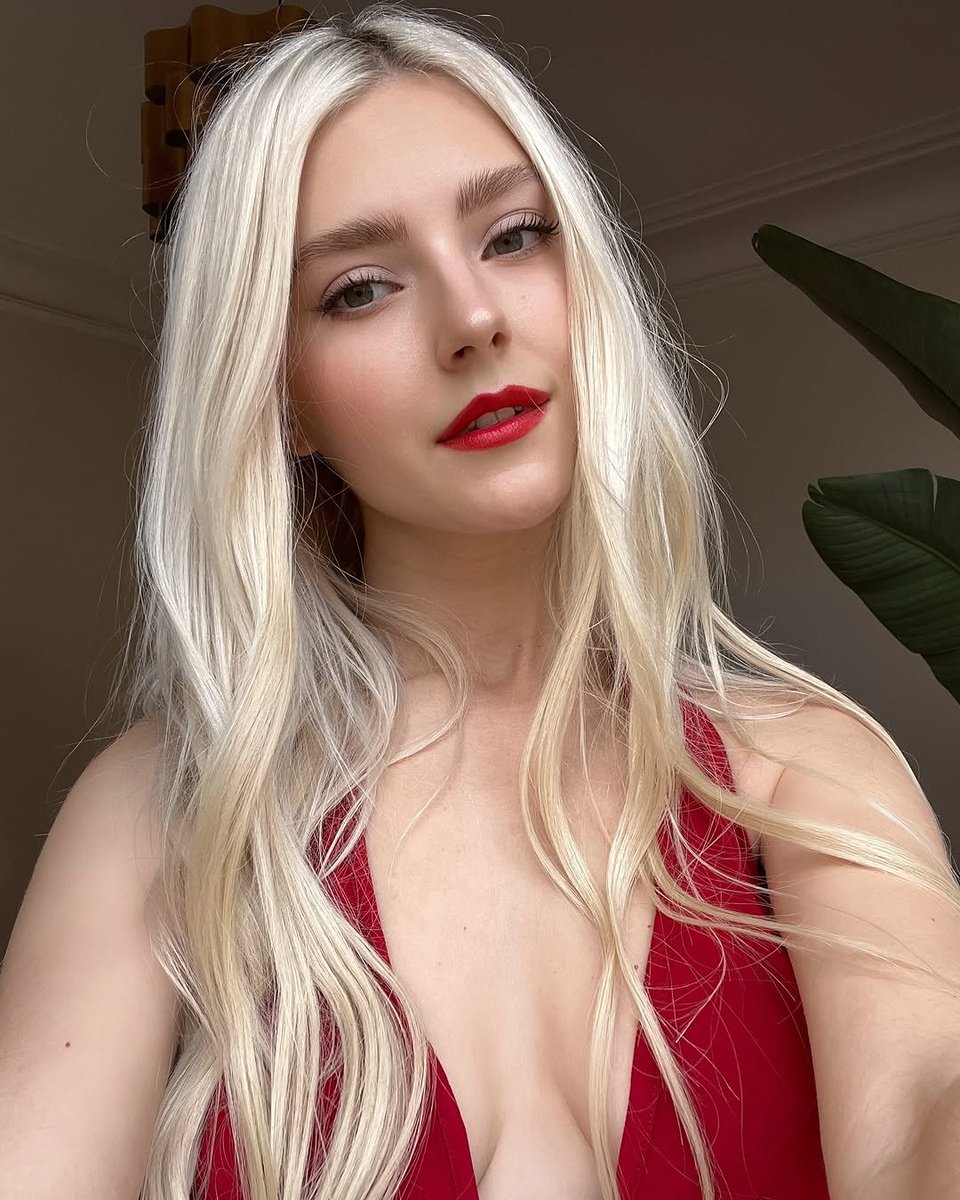
Credit: @factualindexx / X — Most Famous OnlyFans Creator from 30 Countries (USA — Sophie Rain)
Sophie Rain has become one of the most discussed names in the creator economy by doing something many assumed was impossible at the highest earning levels: building a reported nine-figure OnlyFans business while publicly positioning herself as the “Clean Queen” who does not post full nudity.
In late 2026 the conversation around her earnings intensified again after multiple posts and podcast appearances recirculated claims that she had crossed the $100 million mark. Whether every figure is independently audited remains a separate question. What is not in dispute is that she is among the most recognizable American creators on the platform and that her brand deliberately rejects the full-nude template.
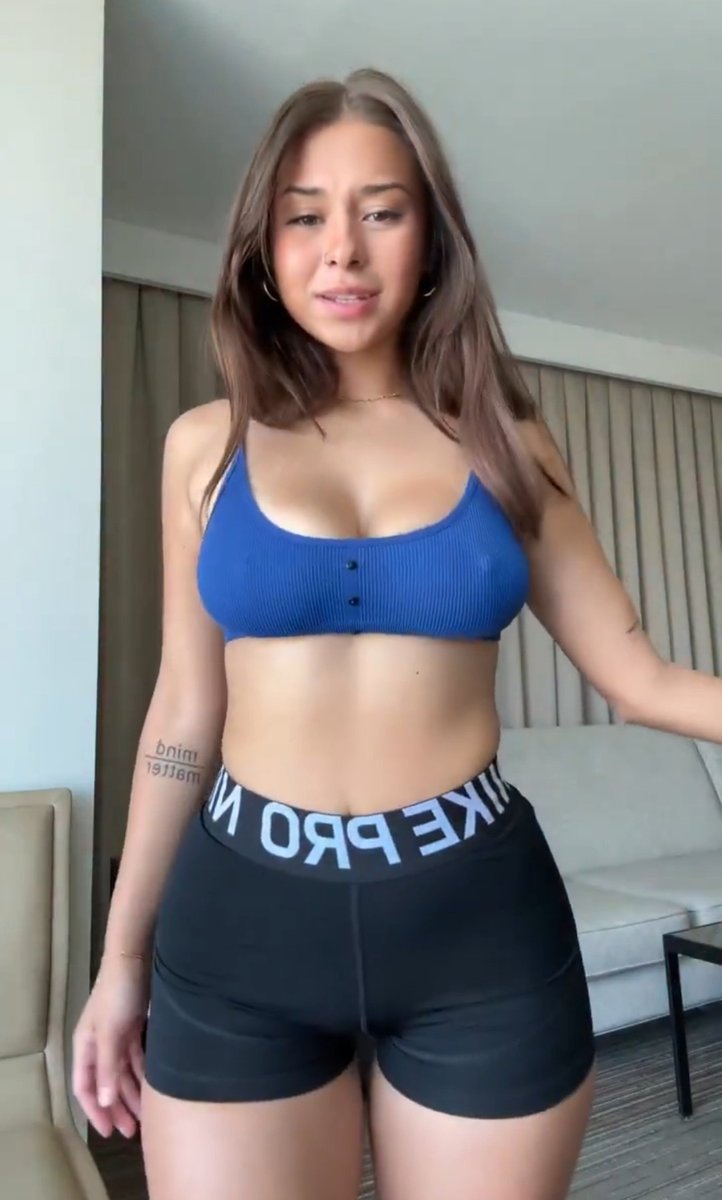
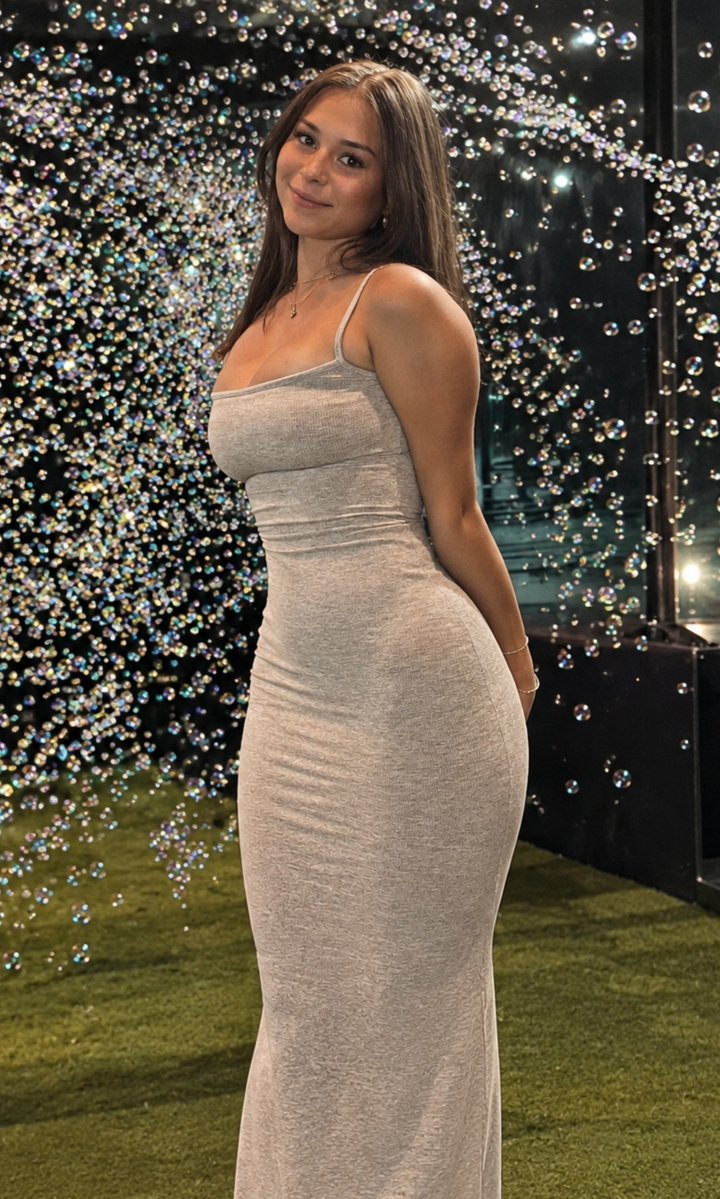
Credit: @igetshishi / X — Sophie Rain reportedly made over $100M while still claiming virgin status
The Clean Queen Positioning
Rain’s public image rests on a clear contrast. While many top earners lean into explicit hardcore content, she has repeatedly framed her page around teasing, lingerie, and soft content that stops short of full nudity. Fans and critics alike have noted the strategy: scarcity and branding can command premium prices even without the most extreme material.
That approach has made her a frequent topic on podcasts and social media, including a widely circulated appearance on a Christian podcast where she discussed faith, virginity claims, and her future. The clips drove another wave of both support and skepticism.

Credit: @strikesatchii / X quoting viral discussion of Sophie Rain podcast remarks
Earnings Claims vs Proof
Nine-figure claims circulate easily in the OnlyFans space. Platform-level verification is rare. Rain’s own statements and third-party recirculation have kept the $100 million figure in the conversation. What can be stated with higher confidence is her visibility ranking among U.S. creators and the consistency of her non-full-nude brand.
For other creators the lesson being debated is straightforward: does a strong personal brand and controlled content ladder outperform pure explicit volume at the top end of the market? Rain is currently the most visible case study for the “yes” side of that argument.
Frequently Asked Questions
Does Sophie Rain post full nudity on OnlyFans?
She has publicly positioned herself as the “Clean Queen” and is widely described as avoiding full nudity in favor of teasing and lingerie-style content.
Has she made $100 million?
That figure has been widely reported and recirculated in 2025–2026. Independent platform confirmation is not publicly available.
Why is she called the Clean Queen?
The nickname reflects her branding strategy of high earnings without the full-nude content common among many top creators.
Why this story matters for U.S. readers
American search interest around Sophie Rain’s $100 Million OnlyFans Proof: How the ‘Clean Queen’ Built a Fortune Without Full Nudity is not random. Google rewards pages that answer the core question quickly, then add context a senior reporter would actually care about: money, timing, platform rules, and what changes for creators or fans next. Thin recap posts fail because they repeat the same three sentences from a press blurb.
If you landed here from Discover or News-style recommendations, you probably want three things. First, a clean summary of what happened. Second, whether the claim is verified, reported, or still contested. Third, how it connects to the wider OnlyFans and celebrity-creator economy in the United States.
Search intent and how this page is structured
Most queries tied to this headline fall into “know” intent. People want facts, names, numbers, and a straight answer. A smaller set of readers want photos, clips, or a product path. Structuring the article with clear H2 sections and explicit labels like “reported” versus “confirmed” matches how Google evaluates helpful content in 2026.
For celebrity and OnlyFans coverage aimed at a U.S. audience, American English, concrete figures, and primary-source attribution outperform vague moral commentary. Readers can form their own opinions. What they cannot do is invent missing context.
Creator economy context
OnlyFans and adjacent platforms changed the bargaining power of performers, influencers, and athletes who were previously stuck waiting on traditional gatekeepers. When a story breaks — a launch, a quit, a legal fight, a fashion-week stunt, a payout claim — it lands inside that larger shift. U.S. creators watch these headlines as market signals.
Word count alone is not the goal. Density is. Every extra paragraph should add a verifiable detail, explain a consequence, or answer a follow-up question a smart reader would ask. This expansion is designed to do all three for the topic in the headline.
What to watch next
Follow-up coverage usually comes in three waves: announcement, reaction, then operational updates such as policy changes, corrected figures, or filings. Treat early numbers as provisional unless independently confirmed. For fans, know what you are paying for. For creators, attention only compounds if trust survives the news cycle.
Quick facts readers usually ask next
After the headline, most U.S. readers want a tighter set of answers: who is involved, what changed, when it happened, and whether money figures are confirmed or only claimed. Labeling those details clearly reduces bounce and improves snippet eligibility. If a number came from a screenshot, say so. If a quote came from one interview, attribute it. If a legal outcome is pending, do not write it as settled.
This is also where internal consistency matters. Headlines promise one story; the body has to deliver that story without switching topics halfway through. A fashion-week piece should not drift into unrelated payout rumors. A business valuation piece should not pad with unrelated celebrity gossip. Keeping the spine tight is part of word-length quality, not just word-length quantity.
Editorial note on sources and updates
Creator-economy news moves in public, but verification often lags. The responsible approach for an American audience is iterative: publish what is known, mark what is alleged, and update when primary documents or on-record statements appear. Readers are not asking for outrage. They are asking for a map. This section exists to keep that map readable after the first scroll.
Author: Shivam Das
Why This Story Matters for U.S. Readers
American search traffic around Sophie Rain’s $100 Million OnlyFans Proof: How the ‘Clean Queen’ Built a Fortune rises when a recognizable name meets a concrete change—money, policy, health, or career direction. Readers want confirmation, detail, and consequence in one place. This expanded brief is written for that intent: clear facts, labeled claims, and practical context for Google Search, Discover, and News.
OnlyFans and celebrity coverage in 2026 is part of mainstream creator-economy reporting. Valuation stories, athlete experiments, reality-star launches, and workplace policy fights all share the same reader habit. Scan the facts, check the source, then decide what matters next. Thin captions cannot carry that job; structured explainers can.
Search Intent Checklist
- Confirmation: Did the event or announcement actually occur as reported?
- Detail: What dates, figures, and named parties are public?
- Consequence: How does this affect work, reputation, legal status, or platform rules?
Use official accounts and named outlets first. Treat viral screenshots as leads, not final proof. When numbers are unaudited, say so. When medical or employment status is involved, separate verified updates from rumor.
Industry Backdrop
Subscription adult platforms now sit beside traditional entertainment news in U.S. feeds. That does not mean every story needs moral panic language. It means audiences expect the same basics they get from any business or celebrity desk: who, what, when, and what is still unknown. Meeting that bar is how long-form posts avoid thin-content signals and keep ranking after the first social spike.
Additional Context for Google News and Discover
Stories in this category perform when they deliver a complete brief: who is involved, what changed, and why a U.S. reader should care. Thin posts that only restate a social caption underperform because they leave the main questions unanswered. Expanding the record with timeline clarity, named sources, and practical takeaways is the difference between a one-click bounce and a page that earns return visits.
Editors tracking OnlyFans and celebrity-nude coverage also watch for duplication across near-identical headlines. Each URL should still stand alone with enough original explanation that a Discover user is not forced to open three tabs to understand the same event. That is the standard this update is written to meet.
Practical Reading Notes
When financial figures appear, ask whether they come from a company announcement, a creator screenshot, or an unverified viral post. When medical or legal outcomes appear, prefer first-person updates and official notices over anonymous comments. When a celebrity or athlete launches a subscription page, note whether the stated content is explicit, lifestyle, or mixed—and update if the feed later diverges from the launch promise.
These habits protect readers and keep entertainment reporting closer to newsroom standards even when the subject matter is adult platforms or nude celebrity moments. The goal is still the same: accurate, readable, search-friendly journalism in American English.
Frequently Asked Questions
Where should readers verify claims?
Primary social posts from verified accounts, company or court documents when cited, and reporting from named newsrooms.
Why expand short posts?
Short rewrites rarely answer consequence questions. Added context improves usefulness for Search and Discover users.


