

Every October the same split shows up online. One group of men posts about “locking in” for the month — no junk food, daily training, better sleep, tighter discipline. Another group posts photos of actual chastity devices and talks about keyholders, denial, and long-term restraint. Both call it Locktober. Both are serious about their version. And in 2026 the two groups are still talking past each other more often than they realize.
Photo credit: @@VanityGoddess_X

Photo credit: @@daiintymelody
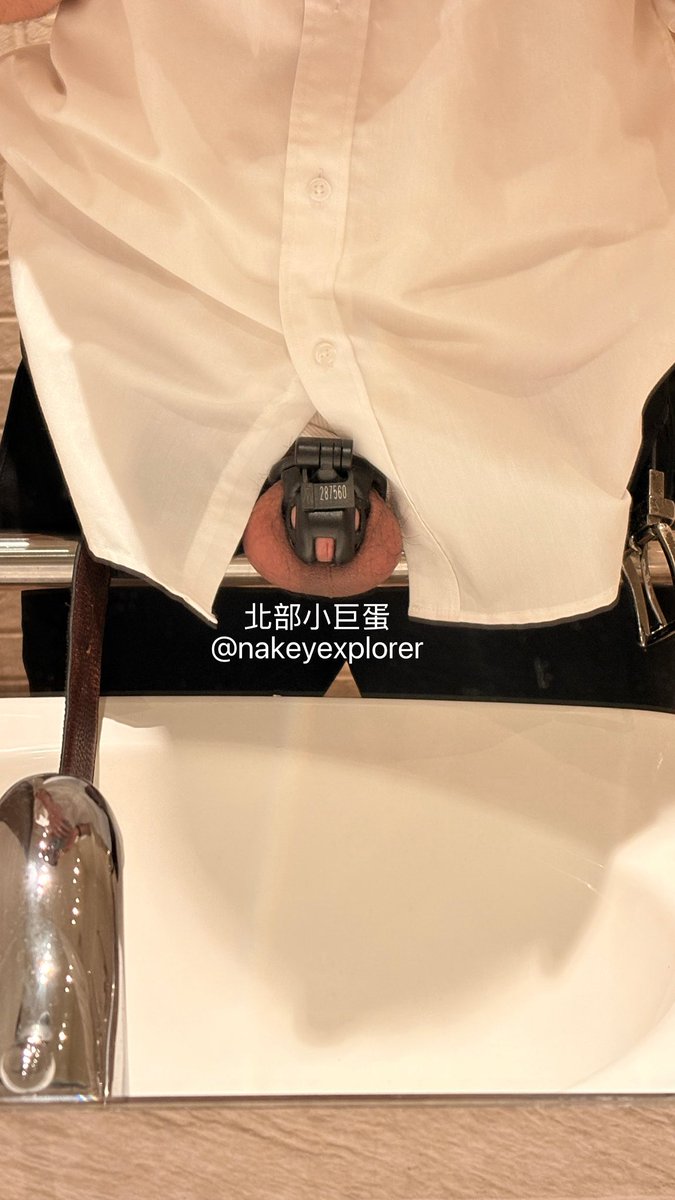
Photo credit: @nakeyexplorer

Photo credit: @RTechD0m

Photo credit: @RTechD0m
Photo credit: @RTechD0m
Photo credit: @RTechD0m

Photo credit: @RTechD0m

Photo credit: @xXLatex_dollXx
The fitness version of Locktober has grown steadily since around 2024. Straight male influencers on TikTok and Instagram took the word and applied it to self-improvement. “Lock in” became the slogan. The challenge is usually some mix of training consistency, clean eating, and cutting distractions. It is practical, public, and easy to post about without crossing into explicit territory.
The original Locktober is older and more specific. It began in kink communities as a month-long chastity practice. Participants wear a device that prevents full erection and orgasm, often with a partner holding the key. The focus is sexual restraint, heightened arousal, and the psychological effects of sustained denial. It is private for many people and explicit by nature.
Where the Two Versions Meet
On the surface they look unrelated. One is about building muscle and habits. The other is about controlling sexual access. Yet both rest on the same core idea: voluntary restriction as a form of discipline. The fitness version restricts food and comfort. The chastity version restricts orgasm and physical freedom. That overlap is why the word keeps getting claimed by both sides.
In 2026 the collision is more visible than in previous years. Search results and social feeds mix the two meanings freely. A gym creator can post a Locktober training plan and receive comments from men who assume the post is about cages. A chastity creator can post a device check and get replies from people who think the whole thing is a metaphor for productivity.
The Curiosity Factor
What has changed is the amount of crossover interest. Some men who first encountered Locktober as a fitness challenge later looked up the kink meaning and stayed curious. Others in the chastity community have started framing their own month in language that sounds closer to self-improvement — consistency, delayed gratification, redirecting energy. A few fitness-oriented accounts have even begun acknowledging the dual meaning instead of ignoring it.
This does not mean the two groups are merging. Most gym-focused participants still want nothing to do with actual devices. Most long-term chastity practitioners are not interested in turning their practice into a public fitness challenge. But the shared vocabulary creates more points of contact than existed a few years ago.
Why the Confusion Persists
Part of the reason the two Locktobers keep colliding is that the fitness version rarely explains itself fully. “Lock in” is vague enough to absorb almost any self-improvement goal. The kink version is precise and visual. When the same hashtag is used for both, the more explicit images tend to dominate search and recommendation systems. That leaves fitness participants surprised when they encounter content they did not expect, and leaves kink participants amused or annoyed that their term keeps getting diluted.
Neither side owns the word permanently. Language on the internet moves faster than community boundaries. In 2026 the practical result is that anyone searching for Locktober will see both meanings, often in the same feed.
What It Means for Anyone Participating This Month
If you are doing the fitness version, be aware that a large part of the online conversation around the word is still about chastity. If you are doing the original version, expect occasional comments from people who think you are talking about meal prep. The overlap is no longer a rare accident. It is a recurring feature of how the month plays out online.
The deeper point is that both approaches treat restriction as useful. One applies it to daily habits. The other applies it to sexual release. The fact that the same month and the same word can hold both practices says something about how many men are looking for structured ways to practice self-control right now. The methods differ. The underlying impulse is closer than either group sometimes admits.
Two Definitions of Discipline Colliding in Public
Fitness Locktober content treats the cage or the no-release rule as another form of training discipline — measurable, temporary, and often framed as self-improvement. Kink Locktober treats the same objects as status, surrender, and ongoing psychological play. Both use the same hashtag. They are not the same practice. That collision is why comment sections fill up with confusion and argument by Day 3.
Straight gym creators who adopted the word without the subcultural history did not invent the tension. They simply made it visible to a wider audience. Kink communities that already lived with keyholding and denial for years see the fitness version as diluted. Fitness audiences often see the kink version as extreme. Neither side is disappearing this month. The tag will keep carrying both meanings.
What Actually Matters for Someone Starting Now
If you came in through a gym influencer, understand that the deeper Locktober spaces run on different rules and different expectations. If you came in through kink, the mainstream posts are marketing, not a replacement for negotiated keyholding. Knowing which frame you are in prevents a lot of the Day 3 disappointment that shows up when the two definitions crash into each other.
Comment Section Pattern Worth Noticing
By Day 3 the replies under mainstream Locktober posts split into three camps: people celebrating self-discipline, people explaining keyholding and denial culture, and people mocking one or both. That three-way split is the collision in miniature. It will not resolve this month. It will keep generating engagement for anyone who posts at the boundary between fitness content and kink content. If you are reading those threads to decide what Locktober “really” is, remember you are watching two communities share a word, not a single agreed definition.
FAQ
Is Locktober originally a fitness challenge?
No. The term began in kink and BDSM communities as a month-long chastity practice. The fitness version appeared later, mainly on TikTok and Instagram, as a re-interpretation of the word “lock in.”
Are the two versions completely separate in 2026?
They remain mostly separate in practice, but they share the same hashtag and search space. That creates regular confusion and occasional crossover curiosity.
Do any fitness influencers acknowledge the chastity meaning?
Some do. A growing number of accounts now note the dual meaning instead of treating Locktober as purely a self-improvement slogan.
Does the fitness version involve actual chastity devices?
Almost never. The fitness version is about training, diet, and discipline. The device-based practice belongs to the original kink version of Locktober.
Photo credit: @RTechD0m


