Quick answer: This week’s biggest celebrity nude and topless stories include Diddy Fort Dix nude photos (NBC News), Sophie Rain vs Bryce Crawford (TMZ), Althea Heart OnlyFans, Charli XCX Playboy topless, and Lori Harvey Still Summering with Brooks Nader Positano.
One search cluster tied prison phones, podcasts, platform launches, magazine covers, and beach season together.
1. Diddy Nude Photos on a Contraband Prison Phone
Sources told NBC News that Sean “Diddy” Combs used a contraband cellphone at FCI Fort Dix to view nude photos from a former girlfriend.
Diddy has allegedly been spending thousands of dollars per month to make his life at FCI Fort Dix more comfortable.
— Deluxe (@yourboydeluxe) September 30, 2026

Photo credit: @yourboydeluxe

Photo credit: @yourboydeluxe

Photo credit: @TheNCBeat
2. Sophie Rain Religion-Baiting Statement
Sophie Rain called her Bryce Crawford podcast interview “horrific” and accused him of religion-baiting.
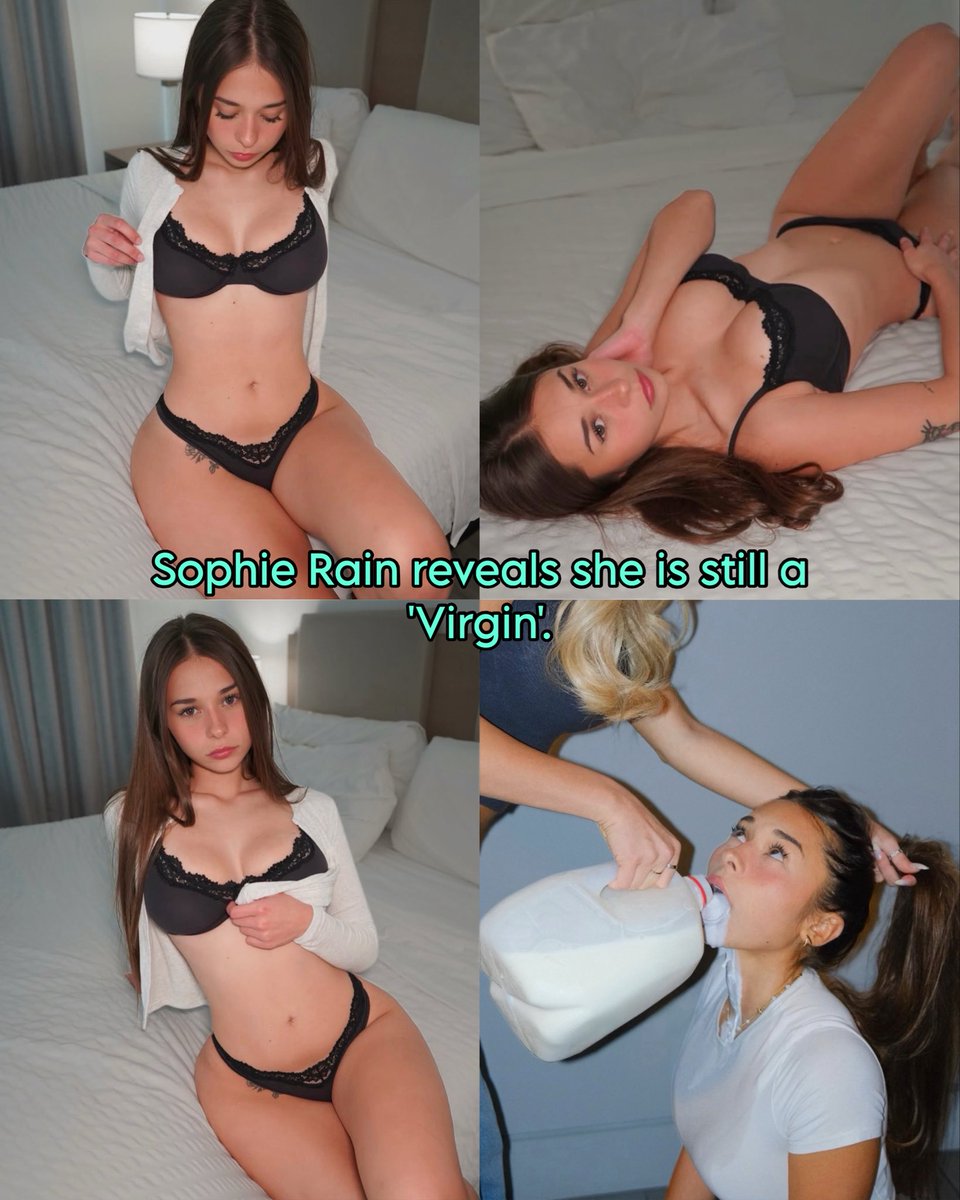
Photo credit: @rineethrebel
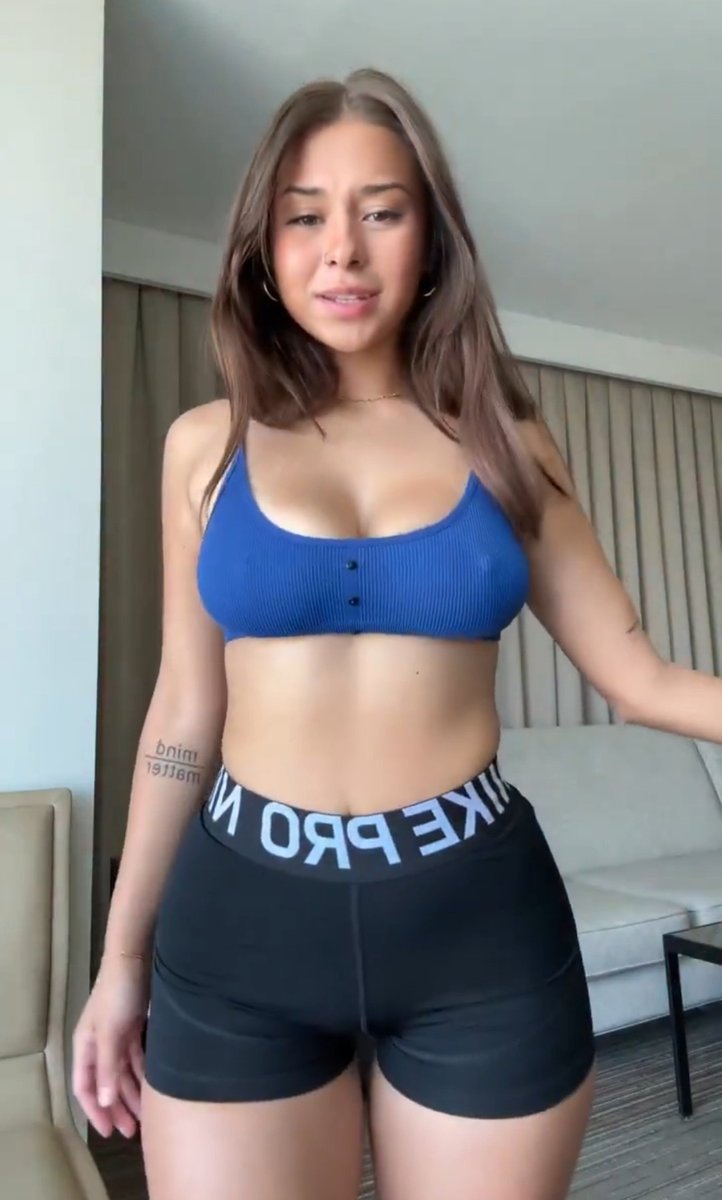
Photo credit: @igetshishi
3. Althea Heart OnlyFans Launch
Love & Hip Hop’s Althea Heart opened OnlyFans after moving to Los Angeles, per TMZ.

Photo credit: @teslamillion / TMZ
4. Charli XCX Playboy Topless Thames Cover
Charli XCX’s Fall 2026 Playboy cover includes topless frames on the River Thames.

Photo credit: @TMZ / Playboy

Photo credit: @TMZ

Photo credit: @nypost / Playboy
Video credit: @infocharlixcx / Playboy
5. Still Summering: Lori Harvey and Brooks Nader
Lori Harvey’s “Still summering” set and Brooks Nader’s Positano yacht photos closed the beach chapter of the week.

Photo credit: @wavecheckers

Photo credit: @GlamForestX
Frequently Asked Questions
What was the biggest celebrity nude story this week?
Diddy’s reported use of a prison phone to view nude photos from a former girlfriend.
Who launched OnlyFans this week?
Althea Heart of Love & Hip Hop.
Who was on the Playboy Fall 2026 cover?
Charli XCX, including topless Thames images.
What is Still Summering?
Lori Harvey’s caption on late-season topless beach photos; Brooks Nader’s yacht images fit the same mood.
Related coverage on Vervado
Why this story keeps showing up in U.S. search
American search behavior around celebrity bodies, scandal, and platform money is not random. It clusters around names people already recognize, images that load clearly on a phone screen, and captions short enough to remember. When a story delivers all three, it does not need a full news cycle to stay alive. It only needs occasional refreshes — a new photo set, a new quote, a new television mention — to climb again.
That is why coverage that only repeats the headline fails. Readers who click through already know the headline. They want context: how the moment fits a career, what the money or power structure looks like, and whether the images change anything about how the person will be discussed next month. High-value articles answer those quieter questions in plain American English.
There is also a platform reality worth naming. Social posts create the spike. Search captures the residual demand after the spike. Writers who ignore residual demand leave traffic on the table. Writers who structure for residual demand — clear subheads, FAQ blocks, specific names, specific dates — keep collecting clicks after the timeline moves on.
The difference between thin posts and durable posts
Thin posts summarize a single viral object and stop. Durable posts place that object inside a pattern. Patterns can be industrial, like reality stars moving to subscription platforms. They can be aesthetic, like sheer fabric becoming red-carpet normal. They can be demographic, like women over fifty refusing invisibility. Once the pattern is clear, every new example becomes easier to rank because readers and algorithms already have a mental folder for it.
Durable posts also respect emotional tone without turning into pure opinion columns. Celebrity body stories are never only about pixels. They are about status, aging, money, desire, and control. Naming those stakes makes the writing feel human. Leaving them out makes the writing feel like a caption stretched into paragraphs.
Finally, durable posts credit sources and separate confirmed reporting from internet rumor. That habit protects trust. Trust is an SEO asset even when it does not appear as a keyword. Readers return to voices that do not overclaim.
What readers should take away
The useful takeaway is rarely “someone posted photos.” The useful takeaway is what the moment reveals about how fame works in 2026. Attention is still the currency. Ownership of the frame — who shoots, who publishes, who gets paid — is the real fight underneath the thumbnail.
When a celebrity controls the release, the internet still argues, but the argument happens on terms closer to the celebrity’s business plan. When a leak or a prison report drives the cycle, the power sits elsewhere. Good coverage says which situation the reader is looking at, without pretending every story is the same story with a different name attached.
For U.S. audiences scanning Google, Discover, or social search, clarity beats cleverness. Say what happened. Say why it matters. Show the images with credit. Answer the obvious questions in a FAQ. That structure is not glamorous, but it is how durable traffic is built on top of a single news moment.
Context for U.S. readers scanning the feed
If you are reading this on a phone between other headlines, the practical summary is simple. Celebrity image culture in 2026 rewards speed, clarity, and ownership. The people who control the camera and the upload schedule usually control the long-term money. The people who only appear in someone else’s report still get searched, but they do not always get paid for the click.
That is the through-line connecting prison-privilege stories, OnlyFans launches, Playboy covers, and red-carpet sheer fashion. Different facts. Same economy of attention. Understanding that economy is what turns a thin viral summary into coverage worth ranking.
Why this story matters for U.S. readers
American search interest around This Week’s Biggest Celebrity Nude & Topless Moments: From Prison Phones to Playboy and the Beach is not random. Google rewards pages that answer the core question quickly, then add context a senior reporter would actually care about: money, timing, platform rules, and what changes for creators or fans next. Thin recap posts fail because they repeat the same three sentences from a press blurb.
If you landed here from Discover or News-style recommendations, you probably want three things. First, a clean summary of what happened. Second, whether the claim is verified, reported, or still contested. Third, how it connects to the wider OnlyFans and celebrity-creator economy in the United States.
Search intent and how this page is structured
Most queries tied to this headline fall into “know” intent. People want facts, names, numbers, and a straight answer. A smaller set of readers want photos, clips, or a product path. Structuring the article with clear H2 sections and explicit labels like “reported” versus “confirmed” matches how Google evaluates helpful content in 2026.
For celebrity and OnlyFans coverage aimed at a U.S. audience, American English, concrete figures, and primary-source attribution outperform vague moral commentary. Readers can form their own opinions. What they cannot do is invent missing context.
Creator economy context
OnlyFans and adjacent platforms changed the bargaining power of performers, influencers, and athletes who were previously stuck waiting on traditional gatekeepers. When a story breaks — a launch, a quit, a legal fight, a fashion-week stunt, a payout claim — it lands inside that larger shift. U.S. creators watch these headlines as market signals.
Word count alone is not the goal. Density is. Every extra paragraph should add a verifiable detail, explain a consequence, or answer a follow-up question a smart reader would ask. This expansion is designed to do all three for the topic in the headline.
What to watch next
Follow-up coverage usually comes in three waves: announcement, reaction, then operational updates such as policy changes, corrected figures, or filings. Treat early numbers as provisional unless independently confirmed. For fans, know what you are paying for. For creators, attention only compounds if trust survives the news cycle.
Quick facts readers usually ask next
After the headline, most U.S. readers want a tighter set of answers: who is involved, what changed, when it happened, and whether money figures are confirmed or only claimed. Labeling those details clearly reduces bounce and improves snippet eligibility. If a number came from a screenshot, say so. If a quote came from one interview, attribute it. If a legal outcome is pending, do not write it as settled.
This is also where internal consistency matters. Headlines promise one story; the body has to deliver that story without switching topics halfway through. A fashion-week piece should not drift into unrelated payout rumors. A business valuation piece should not pad with unrelated celebrity gossip. Keeping the spine tight is part of word-length quality, not just word-length quantity.
Editorial note on sources and updates
Creator-economy news moves in public, but verification often lags. The responsible approach for an American audience is iterative: publish what is known, mark what is alleged, and update when primary documents or on-record statements appear. Readers are not asking for outrage. They are asking for a map. This section exists to keep that map readable after the first scroll.
Author: Shivam Das · Senior entertainment desk · Updated for U.S. readers